
BioRePeel: what this chemical peel is and what to expect
Have you seen attractive BioRePeel photos but don't want unexpected peeling before a meeting? Perhaps your skin feels uneven, yet the promise of a “no-downtime peel” sounds too convenient. BioRePeelCl₃ is a professional, two-phase chemical peeling product—not an injection or a universal treatment for skin problems. It may be one option for surface texture; the visible outcome and your reaction depend on your skin, the precise formula and how it is applied. No one can guarantee zero redness or flaking.
This page examines BioRePeel as a specific brand: what its vial contains, how the variants differ, what the manufacturer claims, where the evidence ends, and what to clarify beforehand. If you want to treat deep scars, persistent pigmentation or painful active breakouts, choosing a peel might not be the right starting point.
What exactly is BioRePeel, and why does the label matter?
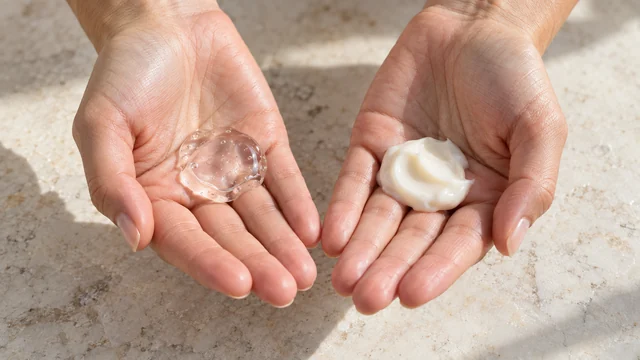
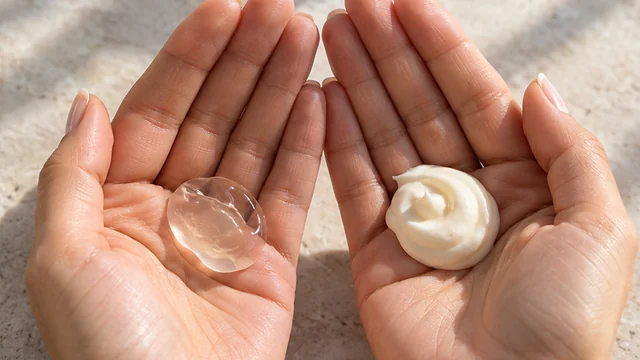
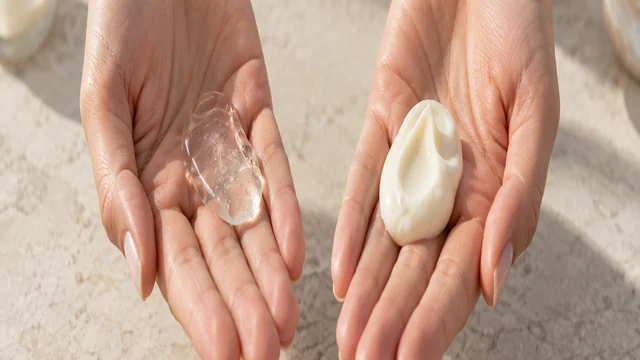
The Italian company CMed Aesthetics describes BioRePeelCl₃ as a two-phase product for professional use. It contains an acid phase and a lipophilic phase, meaning one containing fat-soluble components. The acids act on the skin's surface layers. According to the manufacturer, other ingredients are intended to accompany this action with softening and hydration. The advertising word “biostimulation” does not establish that every patient produces a proven amount of new collagen.
Check the full name BioRePeelCl₃, whether the version is FND or BODY, and the original packaging. “BioRePeel” alone on a price list is not enough. This is not a machine or laser, nor a substitute for a dermatological diagnosis. Acid percentage is not a simple measure of strength: penetration depends on the whole formula, application conditions, contact time, skin-barrier health and practitioner technique.
| Version | Areas claimed by the manufacturer | What to check |
|---|---|---|
| FND | Face, neck and décolleté; 35% trichloroacetic acid (TCA) | Confirm that FND is actually used and current instructions for the area are followed. |
| BODY | Body areas including hands, elbows, buttocks, knees and feet; 50% TCA | Confirm BODY is not being substituted for the facial formula; instructions and risks need separate evaluation. |
The manufacturer also lists other acids, amino acids, vitamins and GABA. An ingredient list alone does not prove efficacy for melasma, deep wrinkles or scars. If someone offers “the same BioRePeel, just stronger” everywhere, ask to see the exact version, its professional instructions and the reason it suits your skin.
What might it change, and what should you not expect?
The aim of an acid peel is controlled exfoliation, potentially making texture and tone look more even over time. Dermatologists use chemical peels for some types of acne, uneven colour, superficial sun damage and fine lines. But evidence on chemical peels generally cannot automatically establish outcomes for BioRePeelCl₃ specifically. Look beyond attractive pictures and ask whether comparative clinical studies of the exact formulation exist.
| Your concern | A realistic expectation | When another assessment is needed |
|---|---|---|
| Dull, rough-feeling skin | Gradual surface smoothing may be possible, with individual variation. | If even a cream stings and your skin feels tight constantly, assess the barrier first. |
| Uneven colour after inflammation | Some peels can help, but irritation can also worsen pigmentation. | Melasma, marked or changing pigmentation needs a doctor's plan. |
| Visible pores or active acne | Pores cannot be permanently “closed”; a peel cannot replace acne treatment. | Painful nodules, scarring or repeated flares call for a dermatologist. |
| Deep folds or pitted scars | Do not expect a loss of volume or deep depressions to disappear. | Assess scar type and other, sometimes combined, procedures. |
Ask yourself: is your aim a slightly smoother surface or a pronounced change in facial contours and deep creases? BioRePeel does not directly address the latter. Brand advertising sometimes blurs these different goals. Early smoothness can also reflect post-treatment skincare and temporary moisture rather than lasting tissue remodelling.
What do the evidence and approvals actually show?
On CMed Aesthetics' official site, FND and BODY are presented as professional medical devices. In a statement dated 22 November 2024, the manufacturer announced certification of both under the EU Medical Device Regulation (EU MDR). This is a manufacturer statement about European status, not evidence of registration in Armenia or a guaranteed individual outcome. Check any CE marking against the actual packaging, documents and supply market.
The US has different rules. The FDA warns that strong acid peels can burn skin when used without qualified supervision and states that it has not approved chemical-peel products. US wording does not determine the legal position in the EU or Armenia. Distinguish company material, studies of other TCA peels and studies of BioRePeelCl₃ itself. In a review of publications accessible as of 21 October 2026, no convincing large independent comparative trials of this specific brand were identified. That describes the scope of the search, not proof that no study exists. These categories of evidence are not interchangeable.
In practice, ask where the product came from, whether professional instructions are available and which formula is planned. “100% safe because it is European” says nothing meaningful about your skin, contraindications or operator qualifications.
When should you postpone a peel or choose another approach?
A chemical peel is not the automatic answer to redness. Marked irritation, broken or weeping skin, active inflammation or infection need assessment and healing first. A clinician should weigh benefits and risks individually for rosacea, atopic dermatitis, susceptibility to post-inflammatory pigmentation, recurring herpes or scarring. The darker the skin phototype and the greater the tendency to mark after irritation, the more important experience with that phototype becomes.
Mention pregnancy or breastfeeding: there are insufficient data to promise safety for this exact formula in your circumstances, so postponing an elective peel pending medical advice is reasonable. Disclose acids, retinoids, acne medicines—especially current or past isotretinoin—recent waxing or other hair removal, laser sessions and treatments in the same area. Do not stop prescribed medicines on your own to obtain a peel; discuss compatibility and any pause individually.
An unusual new spot, a changing pigmented lesion, a persistent painful rash or scarring breakouts also require diagnosis before cosmetic intervention. The peel must not conceal their cause. Your doctor may recommend barrier repair, acne therapy or investigation of pigmentation first. That is good sequencing, not wasted time.
What happens during the visit, and what will it feel like?
Before application, the clinician assesses skin sensitivity, previous procedures and the result you seek. The product variant and treatment area are confirmed, the skin is cleansed, and a trained professional applies it according to current instructions. Acids may tingle, feel warm or cause burning of varying intensity. A reviewer who felt almost nothing cannot predict your experience; stronger burning does not mean better treatment.
You can ask in advance how exposure will be stopped if the skin reacts unexpectedly, and who makes that decision if pain is pronounced. Application time and number of passes are clinically important; do not copy a social-media video or somebody else's protocol. If other skincare is combined, ask for every component to be named so you can distinguish benefits from sources of irritation.
Never reproduce the procedure at home using a leftover vial. Being able to order acids online does not make self-application of a professional peel safe. Focusing on the TCA percentage while ignoring the formulation and contact time is particularly dangerous.
What does recovery look like, medically and socially?
Soon afterwards you may see pinkness and feel dry, tight or mildly burning skin. Fine flaking sometimes appears over the following days, and for some people the reaction is stronger. Skin can look calm after one application and visibly peel after another. “No peeling” is not a promise of no visible marks. The American Academy of Dermatology describes widely varying healing periods depending on peel depth; recovery estimates for other peels cannot simply be transferred to BioRePeel.
| Period | What may happen | A practical decision |
|---|---|---|
| Treatment day | Mild or visible redness, warmth and dryness. | Avoid scheduling an important photoshoot that evening if you do not know how your skin reacts. |
| The following few days | Flaking or isolated dry patches may emerge; makeup can accentuate them. | Allow extra time and ask when cosmetics will be safe for your skin. |
| If the reaction persists | Persistent bright redness, pain or deterioration should not be dismissed as “necessary renewal.” | Contact the treating professional and see a dermatologist if needed. |
You may be able to work without taking sick leave and still feel uncomfortable at a public event without foundation. It is safer not to try a new acid formulation for the first time immediately before a wedding, a sunny holiday or important photographs. Your buffer depends on your skin's response, not the catchphrase “lunchtime peel.”
How do you care for your skin and recognise a complication?
Aftercare usually centres on gentle cleansing, recommended moisturising and UV protection. Do not pick peeling skin, scrub your face or experiment with acids, retinoids and irritants before recovery under your agreed plan. Discuss makeup, exercise, sauna and swimming based on your actual skin condition and the practitioner's instructions. Heat, sweat and friction can increase discomfort when skin is red and sensitive.
Increasing pain, intense burning, blisters, oozing, infection signs, rapidly worsening swelling or patches changing colour must not be endured. Seek timely medical assessment: these do not prove a stronger effect. Serious allergic symptoms, such as breathing difficulty or swelling of the face and throat, require emergency help. If a new dark patch appears, do not attempt to peel it away again; further irritation may worsen it.
The social and emotional side matters too. If even mild flaking without makeup would make you uncomfortable, that is a legitimate reason to choose a quieter period. The procedure should fit your calendar, not the other way around.
BioRePeel or something else: what should you compare?
Compare the intended depth of change and the cost in recovery, not just brand names. Home skincare with sun protection and gentle active ingredients takes patience but does not involve a single session of controlled chemical injury. Other professional superficial peels use different acids and methods; BioRePeel cannot be declared gentler or stronger than all of them. Medium-depth peels and some device procedures have different effects and usually a different risk profile and social downtime.
If inflammatory acne is the main issue, discuss evidence-based acne treatment first. For melasma, diagnosis, sun protection and a long-term plan matter more than one branded appointment. Deep scars require scar-type assessment and suitable techniques, not the expectation that an acid will “fill” them. For an impaired skin barrier, doing no procedure until it heals may be the sensible alternative.
Ask for more than a promise of “glow”: what is visible in your particular skin, what might change without substantial downtime, and how will you judge the outcome? Compare before-and-after pictures only with similar lighting, angle and known intervals after treatment. A photo immediately after skincare may exaggerate durable results.
What should you ask before consenting?
- Is this genuine BioRePeelCl₃ FND or BODY? May I see the packaging, expiry date and professional instructions?
- Which changes are realistic with my breakouts, pigmentation and sensitivity, and which will this peel not fix?
- Which parts of my history increase risks of pigmentation, burns or herpes? Should my skin be treated first?
- How might my face look tomorrow and over the next few days, and what if the reaction is stronger than expected?
- What is included in the total course cost, how many sessions are justifiable and what would make us change the plan?
- Who treats complications, and how can I contact them afterwards?
A standard number of sessions for everyone cannot replace an examination. You may take time, compare options and say no. Neither a recognisable brand nor a feeling that you “must do something” about your appearance should decide for you.
An additional question about BioRePeel
Can just part of the face be treated?
Spot treatment may give uneven colour and increase contrast with adjacent skin. An examination and the exact formulation's instructions determine whether a localised approach is appropriate.
Sources and evidence limitations
- CMed Aesthetics: BioRePeelCl₃ FND, formulation and manufacturer-defined use.
- CMed Aesthetics: professional medical-device range including BODY.
- CMed Aesthetics: 2024 EU MDR announcement — manufacturer statement, not the Armenian registry.
- American Academy of Dermatology: recovery and risks of chemical peels.
- FDA: 2024 warning on unsupervised chemical peels.