
Mesotherapy: what the name covers and what to expect
You may have been offered mesotherapy “for hydration” or “to look rested”, only to find that one description mentions vitamins, another hyaluronic acid, and a third a mysterious “cocktail”. Those differences matter. Mesotherapy is primarily a technique for placing small amounts of substances into the skin through multiple shallow injections, not one standardised product with a predictable outcome. To decide whether it suits you, first ask what problem is being addressed and precisely what would be injected.
Some studied products, particularly certain hyaluronic-acid formulations, have evidence of temporary improvements in hydration and aspects of skin quality. That does not mean any vitamin cocktail is safe, that mesotherapy can lift sagging tissues, or that results will last. The injections may leave bruises and visible marks at a difficult time; ingredients, preparation quality and technique influence risk as much as the number of punctures.
What does the name actually cover?
In injection mesotherapy, a clinician introduces a substance through a series of needle punctures, sometimes using a specialist injector. Protocols vary in depth, volume, ingredients and treatment area. In aesthetic advertising this might mean a custom mix of vitamins and amino acids, a single-component hyaluronic-acid product, or a branded range. No one “classic cocktail” has the same proven effect for every purpose.
The term is also used for scalp or body treatments and sometimes injections targeting fat. These involve different goals, products and hazards. This page concerns facial skin quality, not hair-loss treatment or fat dissolution. If one solution is described as “for everything”, ask for its full formula and the purpose of each injection. What matters is evidence for the finished product, route of administration and your specific goal, not how many ingredients it contains.
Which changes can you realistically discuss?
If a benefit occurs, it is more realistic to expect a change in hydration or subtle texture than in facial structure. Reviews of injectable hyaluronic-acid products suggest possible skin-quality benefits, but formulations, trial designs and follow-up differ. A randomised trial published in June 2026 tested one solution containing sodium hyaluronate and amino acids: 456 people entered, 439 completed it; the treatment group had three monthly injections, while controls received no intervention, with benefits followed for up to three months. Improvements were reported, but the study was funded by ingredients manufacturer Bloomage and had no sham-injection group. Its figures cannot be transferred to every “cocktail”, nor can expectation effects be excluded.
| Your concern | How mesotherapy relates to it | What else to check |
|---|---|---|
| Dryness or a dehydrated feeling | Some studied injected formulas may temporarily improve skin-hydration measures. | Could the dryness be related to an impaired skin barrier, irritating skincare or a skin disease? |
| Fine surface lines or uneven-looking skin | A modest improvement in skin quality is possible; deep folds will not disappear. | Would sun protection, skincare, acne treatment or another method help more? |
| Sagging tissue or lost cheek volume | Mesotherapy does not provide a proven lift or replace treatments designed to restore volume. | Do you actually want contour change, or simply more comfortable skin? |
| Persistent redness, active breakouts or dark spots | Multiple injections do not automatically treat the underlying causes of these problems. | Start with a dermatological diagnosis and treatment appropriate to it. |
Results are hard to judge without a clear goal. “Revive my face” cannot be measured. You can instead decide in advance whether you want less tightness from dryness, changes in small lines, or greater comfort with normal skincare. There are limits to a natural outcome: expression, pores and ordinary texture remain. An app-filter look and permanent rejuvenation are not responsible promises.
Who might consider it, and when should it wait?
An adult with a defined skin-quality concern may discuss mesotherapy if a qualified clinician sees a reason for injections and can identify a product with relevant evidence. “My friend gets it” is not an indication. Active infection, herpes outbreaks or inflammation at injection sites mean postponing and addressing the underlying issue. Eczema, dermatitis and damaged skin also need evaluation rather than more injections.
Tell your clinician about bleeding problems, anticoagulants or antiplatelet drugs, allergies, severe injection reactions, autoimmune conditions, a tendency to form keloids, and previous fillers or other procedures in the area. International mesotherapy consensus guidance lists several as contraindications or reasons for individual risk assessment; the exact decision depends on the formula and clinical context. Never independently stop blood-thinning medication for a cosmetic procedure.
During pregnancy and breastfeeding, elective mesotherapy is best deferred because dependable safety data are lacking for most aesthetic injection mixtures. A mix containing vitamins is not automatically proven safe in pregnancy. With chronic illness, the chosen ingredient's actual contraindications and the consequences of needle punctures matter more than a generic promotional checklist.
How do you tell a traceable medicine from a fashionable “cocktail”?
Before any needle enters your skin, you can ask to see the trade name, manufacturer, full ingredient list, expiry date, batch details and instructions. What administration route is the product intended for, and what uses are authorised locally? A topical cosmetic is not automatically safe to inject. Sterility, sourcing and regulatory status cannot be guessed from a syringe or established by a polished-looking advertising certificate.
A ready-made formula may have a small published study. That is preferable to a bare claim but is not necessarily strong evidence. When a mixture is combined just before the appointment, compatibility and the absence of trials of the finished cocktail are additional concerns. Each extra ingredient can add another potential allergen. There is no medical basis for “more vitamins means a stronger result”.
If someone calls a product “registered”, ask where, under what category, and for which use. A foreign label on one device does not establish that it may be injected into the face in Armenia. A specific practice's stock and practitioner qualifications need to be checked through actual documents. The same applies to expensive brand-name products and simple solutions.
What happens at the appointment, and will it hurt?
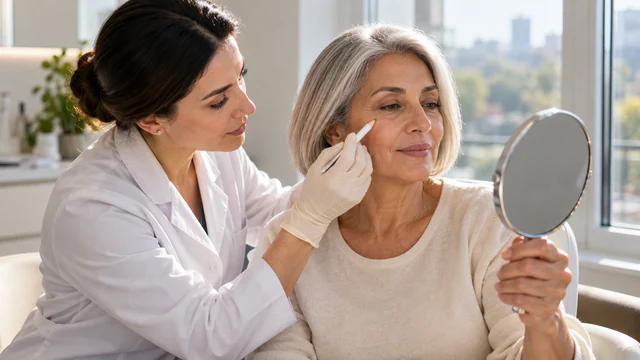
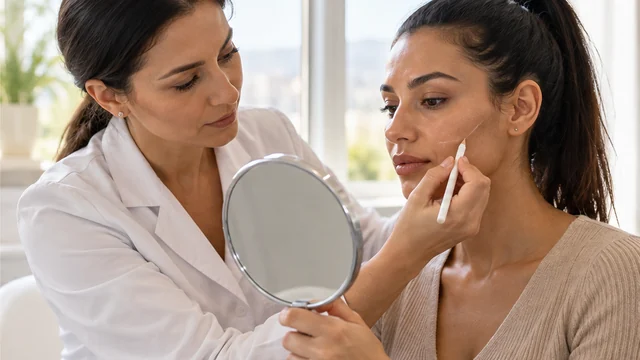
The clinician discusses your goal, examines the skin and reviews medicines and previous reactions. Following informed consent and discussion of the formula, the skin is cleansed and multiple shallow injections are carried out using aseptic technique. This involves a series of small stings, not one imperceptible injection. A topical anaesthetic may be offered, but it too has ingredients and potential reactions; mention any anaesthetic allergy beforehand.
Sensation depends on the area, number of needle entries, thickness of the fluid and technique. Stinging, burning or pressure may occur. Stop and report unusually severe pain or skin colour changes immediately. Effective treatment should never require tolerating alarming symptoms. The setting must allow sterile practice and a workable plan for managing injection reactions.
The word “mesotherapy” does not specify a fixed number of appointments. Some researched regimens use multiple visits, but those schedules belong to particular products and studies rather than every patient. Ask why your proposed course is appropriate, when to evaluate it, and when to stop. Discuss what would count as no worthwhile benefit before paying for a long series.
Recovery: when can you work or see people comfortably?
Small red puncture marks, tiny raised wheals from shallow fluid deposits, tenderness and swelling are common immediately afterwards. Small bruises may emerge later when a vessel has been nicked. Some marks fade promptly, others remain visible longer, especially if you bruise easily. The site, substance, technique, injection count and other medicines all affect the pattern.
| When | What may be visible | How to plan |
|---|---|---|
| Immediately afterwards | Puncture marks, pink skin, mild swelling and small wheals. | You may feel well but still look recently treated; do not plan an important photo shoot that day. |
| Over the next few days | Small bruises may become more distinct before gradually fading. | Check when your exact formulation permits makeup, exercise, hot showers and saunas. |
| After needle sites heal | Normal surface texture returns; any proposed skin-quality improvement may emerge gradually. | Compare pictures under identical lighting, not against transient swelling or claims of instant results. |
Social downtime is not the same as being medically unfit for work. You may feel fine but dislike red points on your cheeks during a meeting. If discretion matters, leave extra time for possible bruises: nobody can promise a date when all marks disappear. Avoid touching injection sites with dirty hands or massaging without advice; irritating acids and retinoids are commonly paused temporarily. Follow the individual aftercare sheet and ask about makeup and exercise, since there is no universal protocol across formulas.
What complications can occur, and which symptoms are urgent?
Expected local effects include mild pain, redness, swelling, wheals and bruises. Other problems include infection or abscess, allergic reaction, persistent inflammation, lumps and occasional scarring. Risk depends on the specific substance and safe injection practice, not whether the treatment is advertised as gentle. International guidance identifies three sources of complications: needle trauma, reactions to the material, and errors in hygiene or technique.
Increasing pain, heat or spreading redness around injection points, pus, fever, rapidly enlarging swelling or an unusual rash require prompt clinical contact. Trouble breathing or swelling of the tongue or throat requires emergency help. Sudden blanching, mottled or bluish skin, abrupt changes in vision or intense atypical pain during facial injection likewise require stopping immediately and urgent assessment. Such vascular warning signs are best documented with dermal fillers; the rate with every mesotherapy mixture is not established, but the symptoms must never be dismissed.
Do not try to puncture a lump or self-prescribe antibiotics, steroids or dissolving injections based on social media. Before treatment, obtain a reliable after-hours contact for the clinician and ask who can arrange emergency assessment. A clear answer is often more meaningful for safety than an impressive product name.
When could a result appear, and how long might it last?
Skin may look temporarily fuller after injection because of deposited fluid and swelling; this is not proof of improved firmness. For some studied hyaluronic-acid products, measurements were taken over weeks or months, but observation was often short. Evidence cannot support one duration for every cocktail, still less a permanent result. Skincare, sunlight, ageing, baseline skin condition and repeat injections also matter differently from person to person.
Agree on a measure of success: what will be examined at a set follow-up, how important a makeup-free difference is, and whether comparable photographs should be taken. “Ten years younger” is not a sound clinical endpoint. If maintenance sessions are proposed, ask what supports the frequency and what risks repeated injections add. You can always decline further sessions, even if the first helped a little.
Could a different approach be a better fit?
For uncomplicated dryness, gentle cleansing, moisturiser and consistent sun protection often come first. Irritation or acne may need dermatologist-led treatment. Significant expression lines, pigment concerns or contour changes involve different goals and potentially different methods. Injectable hyaluronic-acid products for skin quality, polynucleotides and volumising fillers are not interchangeable: formulas, purposes, evidence and risks differ. “Needle-free mesotherapy” does not necessarily deliver ingredients into the dermis in the same way.
Before consenting, ask: precisely what is being injected and why; whether trials exist for this exact formula; who will administer it and with which qualifications; your personal contraindications; expected marks during the first days; proposed visit count and full cost; how reactions will be handled; and whether trying skincare alone first is reasonable. Vague answers about the product name, formulation or supply chain are a sufficient reason to delay.
Mesotherapy is optional, not an obligation of self-care. If adequate skincare suits you, or the possibility of modest texture improvement does not justify needle-related risks, declining treatment does not mean neglecting a medical need.
Two further questions
Can mesotherapy and botulinum toxin be injected on the same day?
Compatibility depends on the precise products, injection sites and treatment plan. There is no universally tested combined protocol for every mesotherapy cocktail. Request the clinical reasoning for sequence and intervals rather than combining them merely for convenience.
If nothing happened after the first session, are later injections definitely safe?
No. A reaction-free first exposure does not rule out later allergy or complications. At each visit review the product, your health, medication changes and any difficulties after the previous injection.
Sources and fact-checking
- 2025 international consensus: mesotherapy safety and indications
- 2026 mesotherapy consensus: evidence and gaps
- Systematic review injectable HA for facial skin quality
- Review of HA mesotherapy techniques and evidence
- 2026 randomized study of one HA and amino acids solution
- FDA: general injectable filler risks and emergency signs
- FDA: hazards of unapproved injectable mixtures; separate lipolysis indication