
Carbon laser peel: what it is and what results to expect
You may notice shine across your T-zone, uneven texture or breakouts and want fresher-looking skin without prolonged peeling. Carbon laser peeling is one option, but its name can suggest more than the evidence supports. It combines a topical carbon suspension with a laser, commonly a Q-switched Nd:YAG device; it is not an acid peel. Small studies have reported improvements in some acne lesions and the appearance of pores. It cannot reliably erase deep scars, substantial laxity or persistent pigmentation.
The question is not how thoroughly it will “clean” your face, but what you actually want to change. Active inflammatory acne may require diagnosis and evidence-based treatment rather than a laser alone. If you want a modest cosmetic improvement and a relatively quick return to normal activities, weigh that possible benefit against irritation and pigment-change risks.
What happens during a carbon peel—and why it is not an acid peel
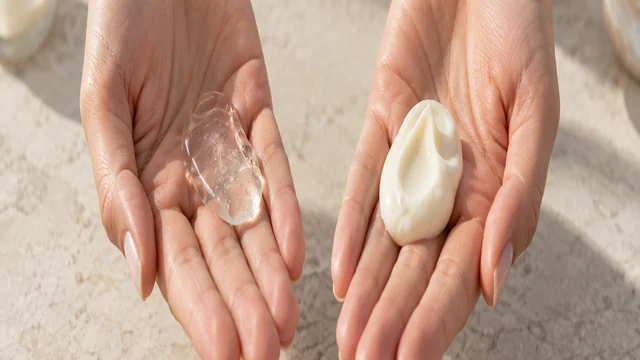
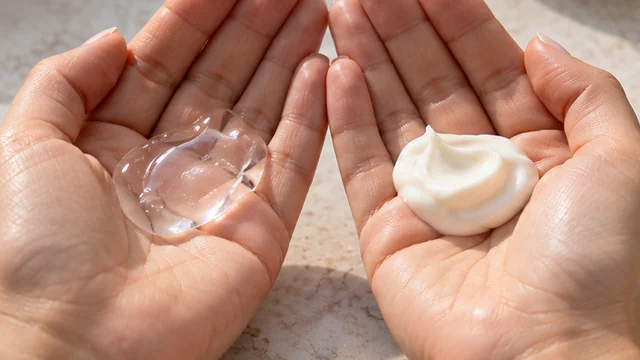
A thin layer of specially prepared carbon suspension is applied to clean skin. After a waiting period, the practitioner treats the surface with laser pulses; carbon particles absorb energy and are removed along with material on the surface. Published protocols used a 1064 nm Nd:YAG laser. That does not mean every 1064 nm machine—or every service advertised as “carbon”—has been tested equally. Pulse type, settings, suspension formula and the condition of your skin all matter.
The word “peel” can mislead: visible layers of skin need not come off. Unlike a chemical peel, this method combines a topical coating with light energy. It is also distinct from fractional laser resurfacing, which affects skin differently and can require more recovery, and from laser treatment of pigmented lesions. A single device may offer different modes; ask which one will actually be used.
Which changes are plausible, and which are not?
A small randomized study of 22 participants and an observational study of 35 people with acne reported fewer inflammatory lesions after courses of carbon-assisted Nd:YAG treatment. Both samples are small, protocols vary, and durability has been assessed only to a limited extent. Retrospective reports on facial texture and visible pores are not a substitute for a large comparative trial. Published improvement percentages are therefore not a personal prediction or a promise of equivalent results for everyone.
| Your concern | A reasonable expectation | Where the method falls short |
|---|---|---|
| Shine and visible pores | Possibly a temporary improvement in overall appearance and texture | Pore size reflects anatomy and oil-gland function; pores cannot be “closed forever” |
| Mild inflammatory breakouts | Fewer spots were reported in some studies | Not a replacement for acne treatment and prevention of new lesions |
| Post-breakout marks and uneven tone | Some superficial changes may become less noticeable | Melasma and post-inflammatory marks can worsen with heat or irritation |
| Pitted acne scars, deep wrinkles or sagging | No convincing basis for expecting substantial correction | Another diagnostic or treatment approach is needed |
If your main concern is new acne lesions, first determine severity and possible triggers. In its 2024 acne guideline, the American Academy of Dermatology found the available evidence insufficient to recommend laser and light procedures as a routine acne treatment. This does not establish that they never help; it is a reason not to abandon established acne care for a compelling treatment name.
Who might consider it, and who should postpone?
It may be worth discussing if you want moderate improvement in superficial texture, understand that results may be incomplete and individual, and have had your skin assessed. Frequent inflammatory acne deserves a dermatologist's opinion: blackheads, inflamed papules, deep nodules and conditions resembling acne do not all call for the same treatment. Sensitive skin does not by itself predict success or failure; diagnosis, skin phototype, reactivity and settings are important.
Postpone an elective procedure if you have active herpes, a skin infection, open wounds, marked irritation or a fresh sunburn. Tell the clinician about a tendency toward post-inflammatory dark marks, melasma, keloid scars, slow wound healing, impaired immunity, photosensitive conditions or medication that increases sensitivity to light. These are assessment factors, not a substitute for checking the exact device's instructions and contraindications.
Elective cosmetic laser treatment is generally postponed in pregnancy: high-quality safety data for this particular carbon-suspension and Nd:YAG combination are lacking. Breastfeeding is not the same situation as pregnancy; some superficial cosmetic interventions can be considered individually, but this specific protocol has also not been adequately studied in breastfeeding patients, so postponement remains reasonable. Lack of evidence is not proof of harm. A new or changing pigmented lesion needs a dermatologist’s assessment before any laser treatment, not removal without a diagnosis.
What will the session feel like?
Before treatment, remove makeup and discuss medicines, recent procedures, skin integrity and skin phototype. The practitioner cleanses the face, applies the carbon suspension and uses the laser with appropriate eye protection. You might feel snapping, warmth or tingling; intensity varies with settings and sensitivity. Anaesthetic is often unnecessary in the gentler published protocols, but a pain-free session cannot be promised.
Ask to see suitable eye protection. Do not proceed if protection is absent or the practitioner cannot explain which laser is being used. Ask about the full appointment, not a marketing promise of a “lunchtime procedure”: assessment, preparation and aftercare instructions also take time. Speak up immediately if you feel strong burning or unusual pain; enduring it is not a condition for results.
How might your face look today, tomorrow and next week?
With a suitably chosen gentle protocol, temporary redness, dryness and warmth are possible. Small studies reported relatively mild reactions, but that is not a personal forecast: sensitive skin, tanning, active products and different laser settings can affect recovery. Lack of obvious peeling does not mean the skin needs no protection.
| When | What you might notice | How to plan |
|---|---|---|
| Immediately afterward | Warmth, a pink flush or sensitivity | Do not count on camera-ready skin that evening |
| Next 1–3 days | Possible dryness, mild irritation or temporarily increased sensitivity | Use gentle care and avoid aggressive home treatments |
| Within a week | With an uncomplicated course, skin gradually returns toward normal | If symptoms worsen, contact a clinician rather than waiting for your next session |
“Able to go to work” and “nobody will notice” are not the same promise. Before a wedding, presentation, sunny holiday or important photo shoot, allow a buffer for unexpected irritation; do not try this for the first time immediately before the event. Ask beforehand when makeup, exercise, sauna and swimming are appropriate. If significant redness persists, avoid heat and heavy concealing products until your clinician approves.
Aftercare without an overflowing skincare shelf
Initially use gentle cleansing, a bland moisturizer and daily broad-spectrum sun protection. Avoid tanning and sunbeds, and reapply sunscreen when outdoors as directed. On treatment day and while irritation persists, avoid scrubs, home peels, retinoids and strong acids until the clinician confirms recovery. Do not pick at dry or flaky skin.
If you use prescribed acne treatment, do not stop it on your own; agree on any pause and restart with the prescribing clinician. Know how to contact the treating professional if something unexpected happens. Blisters, signs of a significant burn, rapidly worsening pain, discharge, fever or visual changes require urgent medical assessment. Painful pigment changes or persistent redness also warrant review.
When will results appear, and how many sessions are needed?
Skin may look smoother relatively soon after cleansing and temporary inflammation settles, but an early visual change is not proof of durable treatment benefit. Acne studies used courses of multiple visits and often assessed outcomes shortly afterward. No universal number or interval works for every concern. Agree on an observable aim: fewer inflammatory lesions, less noticeable shine or a defined texture measure.
Set a review point and a stopping rule. If the agreed stage brings no clear improvement, or if spots and irritation appear, continuing indefinitely is not sensible. Maintenance treatments may be offered, but long-term durability is poorly established. For acne, maintenance more often means a dermatologist-led home treatment regimen, not endless laser appointments.
How does it compare with alternatives?
If acne is the main issue, diagnosis and evidence-based therapies—including appropriate topical medicines—come first; severe cases may need systemic treatment. For simple roughness without inflammation, better cleansing, moisturizing and cautious use of active skincare may be enough. Chemical peels and microdermabrasion work differently and have their own limits according to skin type, depth and irritation risk.
Fractional lasers may be discussed for certain scars, but they require a different risk assessment and often different recovery. Do not choose the “strongest” procedure from a photograph: greater changes often accompany greater treatment intensity. When viewing carbon-peel before-and-after photographs, check for matching light, no filters, timing and other concurrent care. Someone else's photograph is not your forecast.
Questions to ask before agreeing
- What specific diagnosis or cosmetic concern are we treating, and why choose carbon-assisted laser instead of simple skincare or medical treatment?
- Which device model, pulse mode and carbon suspension will be used, and are its instructions and staff training available?
- How do my skin phototype, tanning, melasma, medicines and previous treatments change the plan and pigment risk?
- How will we measure success, and when will we decide whether to continue?
- What should I do about a burn or new mark, who can I contact after hours, and which restrictions apply to me?
- What is included in the proposed plan, and how many visits are anticipated without promising a fixed outcome?
You can take time to decide, postpone or decline altogether. A good consultation explains why the method suits your skin; it does not make having a procedure a measure of self-care.
Further questions
Can I combine a carbon peel and injections within the same week?
There is no universally safe interval. It depends on the injections, area, signs of injury and laser mode. Ask both treating professionals to coordinate the order; do not combine treatments yourself.
Will it remove blackheads permanently?
No. Comedones can reform. If you are prone to them, ongoing skincare and sometimes acne treatment matter more.
Must moles be removed first?
Not on your own. Pigmented lesions need assessment and may need protection or exclusion from the laser area; a dermatologist should check any suspicious change.
Can breakouts briefly become worse?
Irritation and new lesions are possible, but a mandatory “purging phase” is not an established part of this treatment. A painful rash or worsening inflammation needs review.
Should power be increased if the first session did nothing?
Not automatically. Revisit the goal, diagnosis and tolerance first; more energy can increase risk without guaranteeing benefit.
Sources and evidence limits
Most efficacy data for carbon-assisted lasers come from small studies; long-term and direct comparative evidence remains limited.
- Journal of the American Academy of Dermatology: small randomized acne study.
- Journal of Cutaneous and Aesthetic Surgery: prospective carbon-laser study.
- Retrospective study: texture, pores and acne.
- American Academy of Dermatology: 2024 acne guideline.
- Dermatology Practical & Conceptual: retrospective results for pigmentation concerns.
- International Journal of Dermatology, 2026: different considerations for pregnancy and breastfeeding; limited cosmetic-procedure evidence.