
Melasma Treatment: Where to Begin and What Helps
Treating melasma: where to begin
You may have noticed irregular brown patches on your cheeks or above your upper lip after summer. They do not hurt and you can cover them with foundation, but they return even after your skin has become lighter. This is common with melasma. A sensible plan begins by confirming the diagnosis, then protecting your skin daily from ultraviolet and visible light, and choosing topical care or prescribed treatment with a dermatologist. Laser treatment is not an essential first step and can worsen pigmentation for some people.
Melasma is hyperpigmentation that tends to recur: certain areas produce and accumulate more melanin, the pigment that colours skin. There is no health-related need to treat confirmed melasma if it does not bother you. But if the patches make you uncomfortable going without makeup, treatments can make them less noticeable. The realistic goal is colour control and relapse prevention, not a promise of permanent removal.
Before trying to lighten it: is this definitely melasma?
Melasma commonly causes symmetrical patches on the cheekbones, forehead, bridge of the nose or upper lip. The colour is usually fairly uniform brown or grey-brown without crusting or a raised area. Yet post-inflammatory marks, sun spots, reactions to cosmetics and other conditions can look similar. Even remarkably similar online photographs cannot replace an examination.
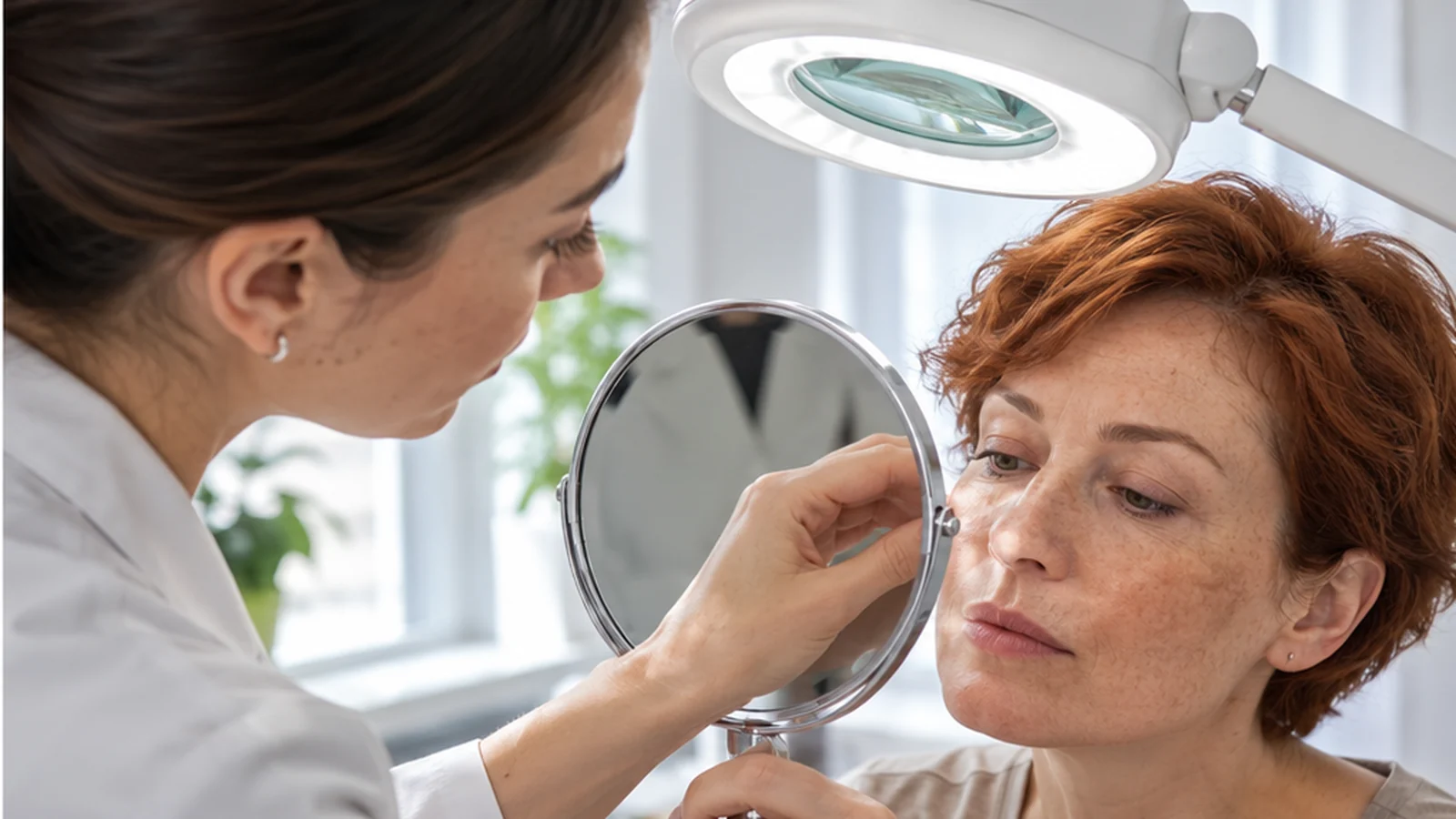
A dermatologist considers the distribution and appearance of the patches, sun and tanning exposure, pregnancy, hormonal medicines, cosmetic products and past treatments. They may use a dermatoscope, which magnifies the skin, or sometimes a Wood's lamp to examine pigment patterns. If the diagnosis remains uncertain, the clinician decides whether investigations or a biopsy are appropriate. Aggressive home bleaching before finding out what a mark is presents a poor balance of benefit and harm.
Do not dismiss as routine melasma a new isolated spot that changes quickly, bleeds, ulcerates or looks markedly different from other patches. A changing mole, unevenly coloured asymmetric mark or unexplained lump needs its own in-person assessment, not a course of peels.
Which treatments help, and where are the promises stronger than the evidence?
Outcomes depend on more than a product's name. Skin tone, susceptibility to irritation, how deep or longstanding the pigmentation is, triggers and consistent light protection all matter. An international expert consensus published in 2025 identifies daily photoprotection and clinician-supervised combinations of topical medicines as a foundation of care. Other options are considered according to the circumstances, particularly when an appropriate initial approach has not helped enough.
| Approach | When it makes sense | Limit or risk |
|---|---|---|
| SPF and protection from visible light | Needed every day regardless of other procedures; helps prevent further darkening. | Protection decreases if you do not reapply or take extra precautions in bright conditions. |
| Azelaic acid and other gentler topical products | May suit sensitive skin or situations where stronger regimens are unsuitable. | Improvement is gradual, and even gentle products can irritate. |
| Hydroquinone and triple-combination cream | Evidence-supported options prescribed by a dermatologist for persistent melasma. | The duration and method of use require supervision; incorrect use can cause irritation or unwanted pigment changes. |
| Peels and microneedling | Sometimes added to basic treatment for carefully selected people. | Inflammation followed by darkening can outweigh the benefit. |
| Lasers and light-based treatments | Mainly considered for difficult-to-treat melasma after specialist assessment. | Recurrence and post-inflammatory hyperpigmentation are possible; this is not a universal one-time cure. |
| Oral tranexamic acid | Discussed by a doctor in selected resistant cases. | Not for self-prescribing: personal and family history of blood clots, medicines including hormonal contraception, and contraindications all require assessment. |
If oral tranexamic acid is being considered, ask whether its use for melasma falls outside the product’s registered indications. Previous thrombosis, a known predisposition to blood clots and combined hormonal contraception containing oestrogen are important contraindications for some oral formulations, including under the US prescribing information. The clinician must check the specific product label and applicable local rules, as well as your medical history and medicines. Do not start the tablets or stop contraception on your own.
Triple-combination treatment usually contains hydroquinone, tretinoin (a vitamin A derivative) and an anti-inflammatory corticosteroid. This is not merely a stronger cosmetic serum: a clinician sets the dose, duration, breaks and monitoring. Strong peels, homemade mixtures and layering several irritating actives can backfire: inflammation encourages fresh pigment formation.
What can I do at home if I do not want procedures yet?
Start with the most sustainable part of care: a routine you can follow for months without damaging your skin. In the morning, cleanse gently, apply moisturiser if needed, and use a broad-spectrum sunscreen of at least SPF 30. With melasma, a tinted formula containing iron oxides is especially useful: it offers protection from ultraviolet light and some visible light, which can aggravate pigmentation, particularly in darker skin types.
Outdoors, add shade and a wide-brimmed hat. Reapply sunscreen approximately every two hours and after swimming or heavy sweating, following the product instructions. Strong summer sunshine in Yerevan makes consistency especially important, but cloudy days also warrant protection. Avoid tanning beds. A high SPF on the bottle does not compensate for applying too little.
At night, keep cleansing gentle and use your prescribed topical treatment if you have one. When skin becomes red, painfully flaky or stings even with an ordinary moisturiser, do not simply endure it in the hope that the treatment is working. Ask the dermatologist about reducing frequency, changing the preparation or restoring the skin barrier. Keeping skin calm is part of treating melasma effectively, not an optional luxury.
If you need a more even complexion for work or a family event tomorrow, camouflage makeup is a valid choice: treatment product first, then sunscreen, then foundation or concealer. Choose makeup that fits your habits without expecting it to treat pigmentation. It can help during the months when topical treatment slowly changes the colour of patches.
When will I see a difference, and why can the colour return?
The American Academy of Dermatology notes that a visible response can take between three and twelve months, sometimes longer for longstanding melasma. That does not mean nothing can change before month three; it means a photograph taken after a week says little about a durable result. Agree on a review point with your doctor and compare unfiltered photographs with consistent lighting, distance and tanning status.
Even well-lightened patches may darken again with sunshine, hormonal influences or skin irritation. During pregnancy melasma can fade after delivery, but it does not always disappear completely. Hormonal medication can be relevant to the history; however, never stop prescribed contraception or other treatment yourself. Discuss alternatives with the appropriate doctor.
Define what a worthwhile result looks like for you. Less contrast in some areas, easier coverage with your usual makeup and a comfortable routine may be a meaningful success. If an intensive procedure is suggested for only a little further lightening, ask how well the extra benefit is supported and what the plan would be if the melasma recurs.
A peel or laser before a holiday: what will my face look like?
Procedures for melasma must be judged differently from procedures for a single sun spot. Pigment production may remain active, and injury to skin can reactivate it. A superficial peel can cause dryness, redness and flaking; more intensive treatment may create crusting and a spell of uneven colour. How noticeable healing is socially depends on the solution used, treatment depth, skin type and individual recovery. Nobody can guarantee everyone's face will look normal “after three days”.
Lasers also vary. The specialist should explain what the particular device aims to change, why the likely benefit outweighs the possibility of darker patches, what happens after treatment and whether maintenance is likely. Studies suggest some combinations help selected patients, but do not establish lasers as a better starting point than creams. The more prone your skin is to post-inflammatory darkening, the more important cautious selection becomes.
If you have a photoshoot, wedding or seaside trip in a few days, avoid trying a new skin-injuring procedure immediately beforehand. Even temporary peeling, redness and the need for strict sun protection may matter more than a possible colour improvement. If you need an even appearance urgently, familiar camouflage makeup is safer than risking a flare.
Special situations: pregnancy, sensitive skin and recurring patches
During pregnancy. Gentle skincare and sun protection remain the first steps. According to AAD guidance, retinoids and hydroquinone should be avoided during pregnancy; discuss medicines, at-home acids and procedures with an obstetrician and dermatologist. A friend's experience of being told a treatment was “allowed” is not an individual safety assessment. Breastfeeding also calls for a fresh review of the regimen rather than automatically restarting an old course.
If your skin darkens easily after acne or irritation. First rebuild tolerance of your skincare and take a gentler approach. Combining scrubs, acids, a retinoid and peels on your own can set off a series of new marks. Watch not just the colour but burning, peeling and new inflamed areas.
If patches return after a successful course. This does not necessarily mean the original treatment was wrong. Check for changes in sun protection, time outdoors, hormonal factors or how well your skin tolerates products. With a clinician, discuss maintenance rather than endlessly increasing intensity: what to do daily, what to use only as a course and which changes call for reconsidering the diagnosis.
How to choose your own next step
- New patches with an uncertain diagnosis: start with an examination, especially if a mark is unusual, changes quickly or is isolated.
- Confirmed melasma but your skin cannot tolerate active ingredients: prioritise sun protection and restoring a gentle routine, then discuss a milder treatment.
- You have followed the plan carefully but little has changed: revisit the diagnosis, triggers and treatment duration before changing medication or adding a procedure.
- You are pregnant or breastfeeding: tell your doctor before choosing any lightening medication; do not use retinoids or hydroquinone on your own during pregnancy.
- You are comfortable with your current skin tone: choosing no cosmetic treatment and continuing sun protection is a complete and reasonable option.
Useful consultation questions include: “How do we know this is melasma?”, “What change can I judge after several months?”, “Which side effects matter for my skin type?”, “What if the product irritates my skin?”, “What routine will I need after the course?” and “Can I postpone laser treatment without harm?” Ask for the full ingredients of what is prescribed, application instructions and symptoms that require contacting the doctor. How intensive to make treatment remains your decision.
Further questions
Do I need a full hormone panel to treat melasma?
Usually the diagnosis comes from the appearance and history. Tests are not automatically needed for every patient; a doctor orders them when there are other symptoms or reasons to suspect a separate condition. Patches alone do not establish a hormonal disorder.
Can men have melasma?
Yes. It is diagnosed more often in women, but men can also develop symmetrical pigmentation. Diagnosis, sun protection and treatment decisions remain individual.
Could pigmentation on my hands be melasma?
Melasma usually affects the face; separate spots on the backs of the hands often have other causes, including sun exposure. Do not use a melasma treatment on every pigmented mark outside the face without assessment.
Can vitamins or supplements replace topical therapy?
There is insufficient reliable evidence for supplements to replace standard sun protection and prescribed melasma treatment. Investigations for possible nutritional deficiencies should follow ordinary medical indications.
Can I keep using hydroquinone indefinitely without breaks?
There is no universally safe plan for unsupervised use over many years. A dermatologist determines the course length, breaks and follow-up based on skin response, combined medicines and local medicine regulations.
Sources
- American Academy of Dermatology — Melasma diagnosis and treatment
- American Academy of Dermatology — Melasma self-care
- Journal of the European Academy of Dermatology and Venereology — 2025 Delphi consensus
- American Academy of Dermatology — Pregnancy skin care
- Global consensus on melanin hyperpigmentation disorders
- British Association of Dermatologists — Melasma patient guidance
- American Academy of Dermatology — melanoma warning signs
- Pigmentary Disorders Society — oral tranexamic acid prescribing consensus
- U.S. DailyMed — oral tranexamic acid prescribing information