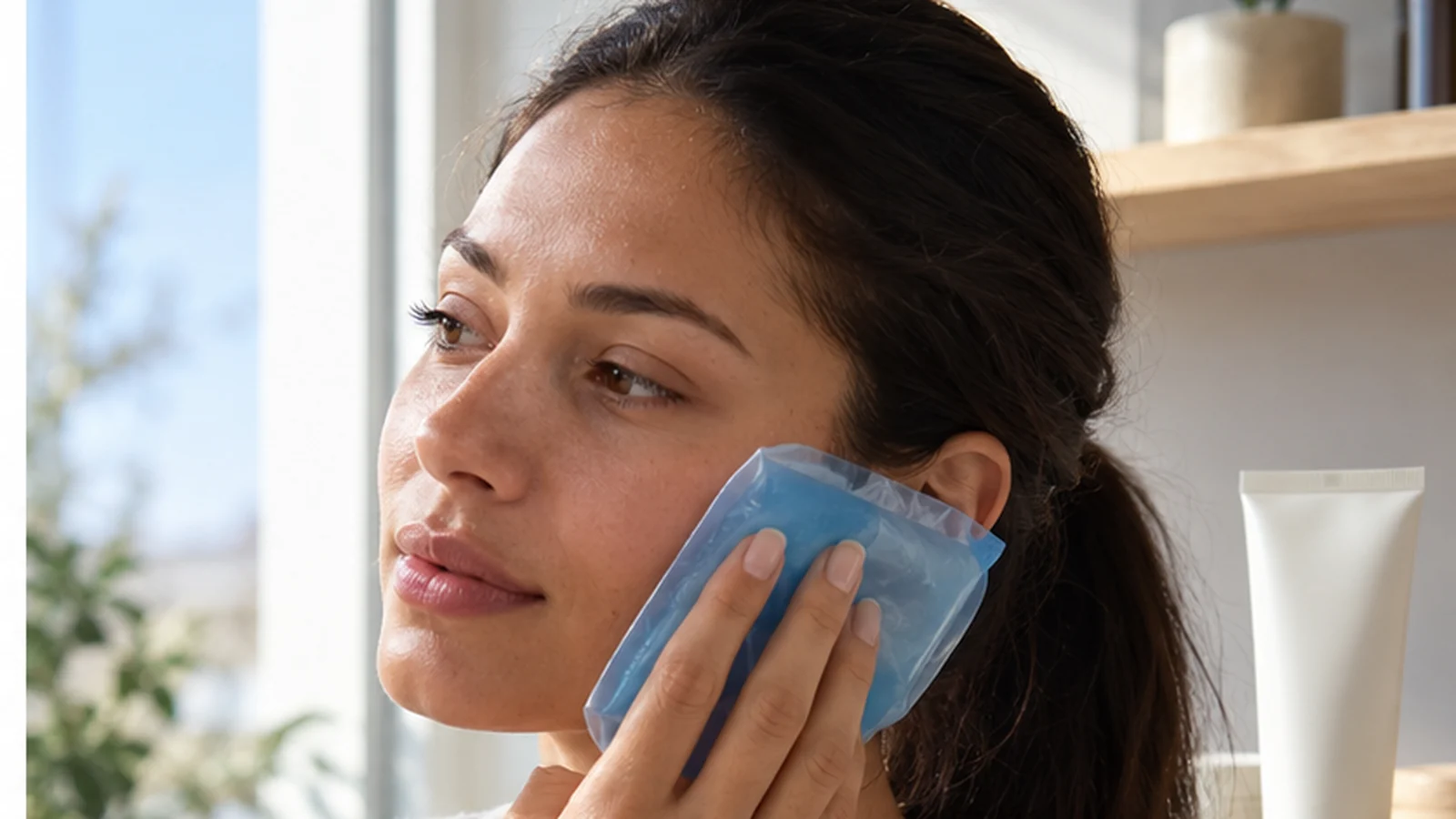

Jessner Peel Aftercare: Peeling Skin and Recovery Days
After a Jessner peel, your face may look mildly red, then start peeling noticeably a few days later. The most important advice is not to force skin to shed and not to restart active skincare before it has healed. Cleanse only as your practitioner advised, use the prescribed moisturizing or protective product, avoid the sun and never pull off flakes. Blisters, oozing or severe pain are not symptoms to simply wait out.
Online instructions can contradict each other: one promises no visible signs tomorrow, another says to stay indoors for two weeks. Either may be wrong for you, because the name “Jessner peel” covers different protocols. The classic formula combines resorcinol, salicylic acid and lactic acid, and modified formulas exist. The number of layers, skin preparation and combination with trichloroacetic acid (TCA) can also change treatment depth. Your first question should be what depth was intended and what depth the practitioner believes was reached.
Why does aftercare depend on peel depth?
With a superficial peel, recovery may resemble a mild sunburn: moderate redness, dryness and fine or more visible flaking. When Jessner solution is used before a medium-depth treatment or combined with TCA, there may be pronounced swelling, crusts, prolonged sensitivity and the need for particular wound care. You cannot reliably determine the depth from a photograph or the number of layers you remember.
The American Academy of Dermatology gives different healing ranges for light and medium chemical peels: approximately 1–7 days for light peels and 7–14 days for medium peels. These describe treatment categories, not a guaranteed timetable for every Jessner peel. If a clinician prescribed compresses, a particular ointment, a follow-up visit or an antiviral, do not substitute a generic blog regimen.
| What you were told about the procedure | What it means for care | What to clarify |
|---|---|---|
| Superficial Jessner without combinations | Gentle cleansing, moisturizing and protection are often sufficient; several days of visible flaking are possible. | When can I wash, use makeup and restart my usual treatment products? |
| Several layers or a marked reaction | Sensitivity may be greater; the type and frequency of care depend on the skin's condition. | Do I need a review, and which symptoms should concern me? |
| Jessner combined with TCA or another method | Follow the instructions for the deeper intervention; compromised skin may require dressings and specific medical treatment. | What depth was reached, and which instructions replace the standard handout? |
The first hours: when to wash and whether to rinse the solution off
Do not follow a stranger's instruction to “wash it all off now” or “leave it until morning”. Classic Jessner solution does not normally need chemical neutralization. However, your practitioner may have removed its residue in the clinic, and the timing of the first wash depends on the exact formula and protocol, especially when another peel was combined with it. If you left without clear instructions, contact the treatment provider. Do not experiment with baking soda, vinegar or home “neutralizers”.
Once washing is allowed, a mild cleanser, comfortably warm water and gentle patting rather than rubbing are usually sensible. Avoid scrub sponges, brushes, massage devices and vigorous rubbing. If even water burns, raw patches appear or your face hurts more than just after treatment, ask the clinician to assess it before continuing the routine.
The richest cream is not automatically the most therapeutic. A simple moisturizer may be prescribed for superficial peels, while a stronger intervention may require a specified protective ointment and wound-care approach. Even petroleum jelly or another occlusive ointment that forms a film is not universally appropriate, especially if infection is suspected. If a new product makes burning worse, stop using it until you have advice.
What the recovery days may look like
| Stage | Possible appearance | Decision guide |
|---|---|---|
| First 24–48 hours | Redness, tightness and sometimes increasing swelling; after a deeper peel swelling can grow over the first two days. | Compare your experience with your written plan; new severe pain or unusual changes warrant contacting a clinician. |
| Following days | Dryness, temporary darkening of superficial patches, visible peeling or crusting depending on depth. | Do not pull at skin; maintain prescribed moisturizing and keep makeup off open areas. |
| Towards the end of week one | Many people recover from a superficial peel; medium-depth healing may still be underway. | Do not restart actives just because a particular day has arrived. Check that the surface has closed and is no longer sore. |
| Week two and beyond | After a medium peel, pinkness, sensitivity or risk of pigment changes may remain. | Follow the review plan and sun protection advice; discuss prolonged redness with a dermatologist. |
This is a guide to possible observations, not a compulsory peeling schedule. Skin may shed in fine powdery flakes or larger sheets, or show little widespread peeling at all. Neither dramatic shedding nor its extent proves a better outcome. Trying to produce “proper peeling” with more acids is unsafe.
How to care for peeling skin and lower the risk of dark marks
Flakes may catch on hair, a collar or tissues. Even if an edge appears loose, do not pull it: fragile skin may still lie beneath. Picking or scratching crusts raises the risk of infection, scarring and post-inflammatory hyperpigmentation, meaning dark marks after irritation. If flakes around the mouth interfere with eating or talking, ask how to soften them rather than trimming or removing them yourself.
Protect your face from wind, excessive heat and repeated friction from masks or scarves. Apply your prescribed moisturizer as frequently as recommended. If it absorbs quickly and skin still feels dry, ask whether the plan needs adjusting rather than adding acids or heavily advertised “regeneration” products yourself.
Sun protection matters particularly because ultraviolet light can worsen pigment changes after inflammation. While skin is open or not yet healed, prioritize shade, covering clothes and a wide-brimmed hat. Once skin is intact, use a suitable broad-spectrum sunscreen and reapply outdoors as directed. If sunscreen stings injured skin, do not force it: a clinician can suggest alternatives and advise on limiting sun exposure.
When can you wear foundation, exercise or use a sauna?
Social downtime can matter more than how your skin feels. After a light superficial peel, makeup may be permitted relatively early. Following a medium peel it often needs to wait for restoration of the protective surface; the AAD gives 5–7 days as a general guide for camouflage makeup after a medium peel, but some protocols require longer. Do not put foundation over oozing areas, blisters or thick crusts. Makeup may emphasize rather than hide flaking texture.
Hot gym sessions, steam rooms, saunas, hot yoga and pools add sweating, heat, stinging and friction. Delay them while skin is actively reacting; after a deeper peel, let the treating clinician confirm when healing permits a return. A short shaded walk is not the same as an hour of cardio in bright sun. Feeling physically well does not mean your epidermis has regained its protective function.
If you have a photo shoot, seaside holiday or celebration coming up, avoid scheduling the peel immediately beforehand. Even when the surface is medically healed, skin tone, lingering dryness and makeup tolerance can still change. It is entirely reasonable to postpone treatment if you want to feel comfortable without thick foundation. Those whose work requires bright lights and constant in-person contact should plan a more flexible schedule.
Which everyday products should you pause?
Until the skin heals, usually stop retinoids, home peel acids, scrubs, alcohol toners and irritating benzoyl-peroxide preparations. Your dermatologist can tailor when to restart based on depth and any underlying skin condition. If a retinoid or other active product treats acne, agree on the interruption with its prescriber instead of stopping medical treatment indefinitely on your own.
Do not arrange laser treatment, waxing, microneedling or other skin trauma in the same week without medical clearance. These stresses can add up even if each is marketed as “light”. Avoid homemade whitening masks intended to prevent spots; irritation from improvised care may outweigh any possible benefit.
What is expected, and what is not simply “part of the peel”?
| Sign | Action |
|---|---|
| Moderate stinging soon after the treatment, manageable tightness and expected flaking | Follow your own aftercare instructions, monitor progress and do not traumatize the skin. |
| Redness or swelling increases markedly, intense itching or pain fails to settle | Contact the practitioner or a dermatologist the same day for an individual assessment. |
| Increasing pain, pus, unpleasant odor, spreading inflammation, fever or new blisters | Seek prompt in-person medical assessment: infection or a deeper injury may be present. |
| Throat swelling, breathlessness, fainting, or eye damage with reduced vision | Seek emergency medical assistance immediately. |
Chemical peels can cause pigment changes, infections and, less often, scarring. Risk depends partly on treatment depth and skin characteristics. Pay particular attention to prolonged redness and new dark patches if you are prone to hyperpigmentation. Another person's photo cannot tell you whether your crust is “normal”: your formulation, depth and symptom progression matter.
What if your skin is darker, you have melasma or have scarred before?
The risk of post-peel pigment changes varies, and darker skin phototypes call for particularly careful planning. This does not mean all people with darker skin must avoid peels, but the practitioner should have experience assessing pigmentation and choosing depth for your skin. If a spot has lasted months after a pimple, mention that before another session and be especially conscientious about sun protection during recovery.
Active cold sores, infection, flaring dermatitis or damaged skin may make cosmetic peeling inappropriate. For a history of herpes, a clinician may consider whether preventive antivirals are needed. Do not start antiviral medicines from someone else's schedule: the decision and regimen depend on depth and medical history. If painful blisters appear, do not cover them with foundation; seek medical advice.
If you already had a Jessner peel while pregnant, breastfeeding, taking systemic medication or soon after another procedure, give your treating physician the exact date and formulation. Do not infer safety from the word “superficial” alone. Before any future treatment, go through individual contraindications and informed consent, not just attractive result photos.
What to change if recovery was difficult
Keep your instructions and note when peeling started, what helped, which products stung and whether anything unexpected occurred. At review, ask whether the peel was superficial or medium-depth, whether TCA was added and whether a gentler protocol or a different approach would be better. You do not have to repeat the same treatment because you paid for a course or were promised perfect smoothness.
If the goal is acne or mild uneven skin tone, ongoing medical skincare and sun protection may be more useful than repeated intense irritation. Superficial exfoliation has limits for pronounced scars and deep wrinkles. Weigh possible benefit against the real days when you would rather not have visible flaking or changes in your appearance.
Questions to ask before leaving
- Which exact formula was used: classic, modified, with TCA or without?
- How deep was the treatment, and which healing signs should I expect?
- When and with what should I wash; how do I apply cream; do I need compresses or a dressing?
- When can I wear makeup, exercise, swim and restart a retinoid or acne medication?
- What changes require calling that day, and whom can I reach outside office hours?
- Do I need a follow-up, and which pigmentation precautions suit my skin?
Written answers make ordinary dryness less worrying and unusual reactions easier to act on promptly. Your skin does not have to peel dramatically to prove a result: a recovery without new injury is more valuable than a striking photograph of shedding skin.
Further questions
Why do some areas look darker even before peeling begins?
This can be a temporary change in the outer skin during healing, but appearance alone cannot rule out pigmentation or a complication. Do not try to lighten the patches with acids. See a dermatologist if they darken rapidly, are painful or persist after healing.
Do I need a new pillowcase?
A clean, soft pillowcase reduces avoidable dirt and friction, but it does not replace prescribed care. Not touching your face with dirty hands, leaving crusts intact and following your practitioner's instructions matters more.
Sources
- American Academy of Dermatology: chemical peel FAQs
- DermNet: chemical peels
- NCBI StatPearls: chemical peels for skin resurfacing
- Cleveland Clinic: chemical peels
- U.S. Dermatology Partners: chemical peel aftercare
- GlyMed Plus: professional Jessner product formulation
- O’Connor et al.: Chemical peels — review of current practice (Jessner solution and neutralization)