
PRX-T33 Aftercare: What to Do in the First Days
If you had PRX-T33 today and your face looks almost normal, it is tempting to assume there is no aftercare. You still need a few days of gentle cleansing, suitable moisturiser, sun protection and a pause from potentially irritating products, adjusted to your clinician's instructions. Do not try to intensify the effects with acids, scrubs or retinoids on your own. Skin may be sensitive even without visible peeling; a strong or worsening reaction calls for medical assessment, not more skincare experiments.
PRX-T33 is a professionally applied preparation containing 33% trichloroacetic acid (TCA), hydrogen peroxide and kojic acid. It is sometimes called a “no-peel peel”, but that marketing shorthand is not a promise of zero irritation. Your plan depends on how many applications were made, the treated site, skin-barrier health beforehand, any combined procedures and your personal response. If you received an individual written protocol, follow it rather than general internet advice; when products conflict, do not choose between powerful active ingredients on your own.
Immediately after treatment and this evening
First confirm the practitioner has completely removed the product and explained the home routine. Do not apply the professional solution yourself or repeat the massage to “boost results”. If your face is slightly pink, warm or tight, avoid rubbing with a towel, facial massagers and very hot water on the face. Wash hands before touching treated skin. Use a gentle, non-abrasive cleanser only when allowed by your instructions, or follow the specific timing of the first wash.
Apply the recommended, well-tolerated moisturising recovery cream without unnecessary actives. It is not meant to “seal in the acid”: professional product residue should be properly removed at the end of treatment. Moisturising may reduce dryness and support the skin barrier, which normally helps retain water and keep irritants out. If a particular product stings noticeably, do not endure it for a promised benefit: stop it and ask how to proceed.
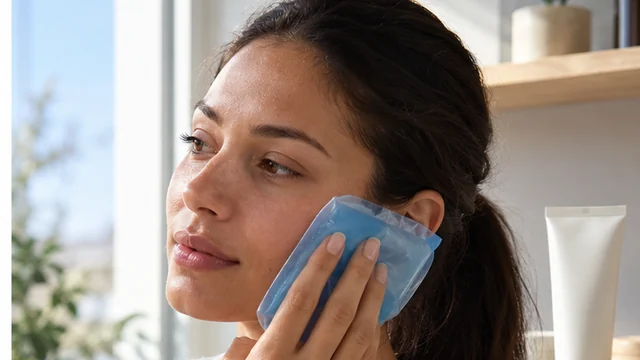
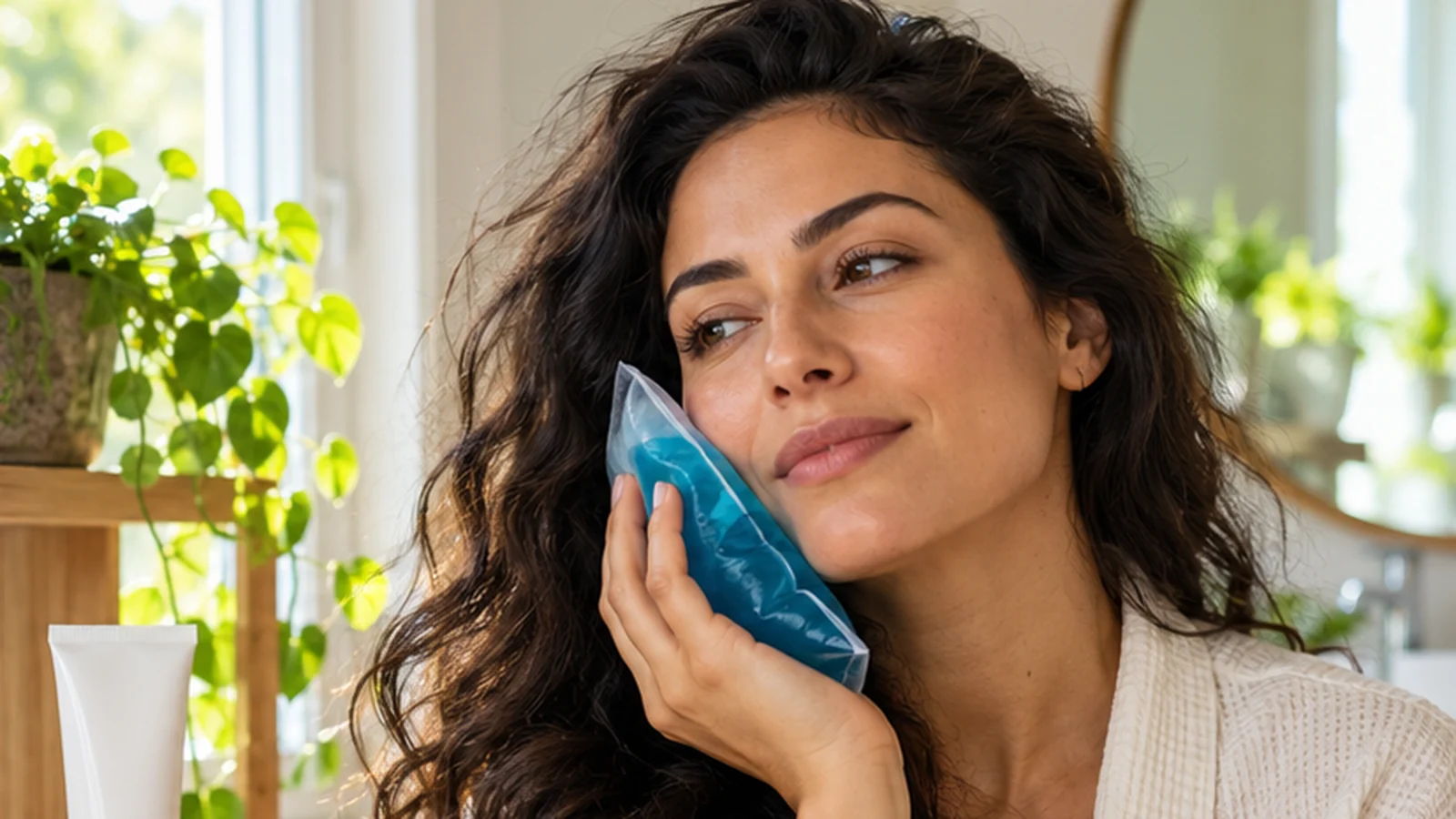
A cool compress over clean fabric may feel better than an ice pack; never place ice directly on the skin. Avoid direct sun, tanning beds, strong heat and very sweaty exercise while irritation persists. A blanket “no sport for exactly 24 hours” ignores the difference between a gentle walk and hot intensive exercise. Your actual skin response matters more than the clock.
A simple plan for the first days
| Time and skin condition | Sensible home care | What to avoid for now |
|---|---|---|
| Treatment day: calm or mildly pink skin | Gentle cleansing as instructed, recommended cream, shade and sun protection. | Scrubbing, home peels, unapproved retinoids, steaming and rubbing. |
| Following 1–3 days: possible dryness, tightness or fine flakes | Maintain moisturising, do not pick flakes, photograph unexpected reactions to show your doctor. | Brushing away peeling skin, introducing several active serums at once or hiding broken skin under heavy makeup. |
| When the skin has calmed and the surface is intact | Gradually return familiar products under the agreed plan, while keeping sun protection. | Restarting every acid and retinoid together just because a certain number of days has passed. |
| Any day: a worsening reaction | Stop potentially irritating new products and contact a doctor; seek urgent help for severe warning signs. | Adding DIY neutralisers, acids, antibiotics or steroid creams without a prescription. |
This is a way to organise daily life, not a rigid medical countdown. The PRX-T33 manufacturer's instructions mention temporary redness, dryness and peeling that may last several days. Persistent redness merits assessment: prolonged inflammation raises the risk of later dark marks in susceptible skin. If you often develop post-inflammatory pigmentation — dark patches following irritation — a cautious routine and UV protection matter especially.
Which cream, and must you buy the full WiQo range?
A WiQo moisturiser is often recommended after PRX-T33. The manufacturer also describes a separate at-home Smoothing Fluid. It is not simply a neutral moisturiser: some formulations contain acids and have a specified application interval. Thus both “never use an acid again after an acid treatment” and automatically starting any acid product are misleading. Use a particular product only under your prescribed protocol, taking account of your skin and the exact package formulation. A similarly named serum or another person's clinician's advice does not substitute for your instructions.
If you did not buy the branded products, that does not mean your recovery has failed. Ask what properties an acceptable alternative needs: for example, a gentle fragrance-free base, a comfortable texture and no extra exfoliating actives in the first days. Very rich creams do not suit everyone, particularly if breakouts are an issue; tolerability and lack of irritation matter more. A small clinical pilot used PRX-T33 together with specific home products, so it cannot prove every individual cream is essential or that any alternative is identical.
If you were given two products, write down their exact names, ingredients, frequency, order and when to stop if stinging occurs. “Keep stimulating the skin at home” is not an adequate instruction. Ask separately about rosacea, eczema, ingredient allergy, marked dryness or acne treatment; a chronic skin condition may make standard cosmetic advice inappropriate.
Sun, SPF and walks in Yerevan
Even if you are not peeling, avoid deliberate tanning after an acid procedure and protect the skin. Shade, a broad-brimmed hat and broad-spectrum sunscreen, generally SPF 30 or higher, are sensible when it does not sting and the clinician permits use on intact skin. Reapplication as directed and physical shade matter on long walks, not just the number on the bottle. If the skin is broken, weeping or markedly inflamed, ask a doctor which protection to use and when to start applying it.
The manufacturer's “suitable all year” message does not mean that sunbathing right after the session is risk-free. Yerevan summers bring more opportunities for UV exposure, but winter does not eliminate it. Discuss protection especially carefully if you were treating uneven tone or tend to get brown marks after acne. A sunburn is not a useful “second peel”; it increases irritation rather than improving results.
Makeup, work, workouts or a date: what is realistic?
Medical healing and feeling comfortable showing your face are different. Some people will look unchanged; others have redness or moisturiser shine on the day and fine dry patches later. Daylight and phone cameras may make texture more apparent. For a major photo shoot or presentation, do not rely on the claim of “no downtime”. Avoid putting a first session immediately before an event where your appearance must be predictable.
Resume makeup only when the surface is intact, marked stinging is absent and your practitioner agrees. With calm skin this may be fairly soon; with open areas, scabs or visible inflammation, it is better to wait than conceal irritation with foundation and rub it off afterwards. If makeup is needed, choose familiar products without new actives and remove them gently. Do not test new long-wear makeup on inflamed skin.
A gentle walk generally provokes less irritation than a sauna, hot yoga or strenuous exercise with heavy sweating. Decide based on redness, warmth and comfort. Pools, hot baths, steam rooms and direct sun need greater caution when the skin barrier is impaired. Skip facial massage and brushes until the skin settles. Ask in advance what to do if you must work immediately but are advised not to wear your usual makeup.
Retinol, vitamin C and acids: when to restart actives
A common conflict arises when you already use a retinoid for acne, acids for texture or vitamin C for uneven tone. Do not automatically resume everything the following night. Irritating products can worsen dryness and burning: be particularly careful with retinoids, AHA/BHA acids, home peels, benzoyl peroxide and alcohol-based astringents. An individual restart plan must consider your previous routine, how many applications were made and the condition of your skin afterwards.
Distinguish an optional cosmetic serum from medically prescribed treatment. If a medicine controls a skin disease, discuss any pause with your prescribing dermatologist. Do not stop important medication or alter a dose merely on a beauty-salon suggestion. Do not mix a medical regimen with a blogger's suggestion to “leave actives on longer”. If you accidentally use an irritating product and experience strong burning, rinse it off gently with cool water, do not apply more acids and tell your clinician.
Reintroduce products one at a time after the irritation has resolved rather than all on one evening. That makes reactions easier to identify. If your individual WiQo home plan contains an acidic product, that is a separate agreed regimen, not permission to add your usual home peels.
Expected effects versus signs you need a doctor
Mild short-lived redness, tightness, dryness or small flakes can occur after PRX-T33, though they may be absent. Intense burning during application means the professional should stop and remove the solution according to product instructions, not interpret it as “deeper action”. After going home, increasing pain, spreading redness, large blisters, weeping, major swelling, pus, fever or painful lesions suggestive of an active infection are warning signs.
Do not pick at the affected area or self-prescribe steroid ointments, antibiotics or baking-soda “acid neutralisation”. Contact the treating doctor the same day for these symptoms, and seek emergency care for severe deterioration. If the professional acid solution splashes into an eye, start irrigating immediately with plenty of clean running water or sterile saline for at least 20 minutes. Do not rub; obtain urgent ophthalmic care without waiting for symptoms, and tell the team which product was involved. Sudden swelling of the lips or tongue or breathing difficulty after any cosmetic product warrants emergency services.
If new dark patches appear, or redness lasts beyond what your instructions describe, arrange an assessment: irritation, contact allergy or post-inflammatory pigment change may be responsible. The point is to distinguish simple dryness from a problem needing treatment, not just photograph everything to measure a cosmetic result.
When skincare alone will not solve the problem
If PRX-T33 was applied over active herpes, eczema, fresh wounds or considerable inflammation, or you use potent topical or systemic medicines, cream at home cannot replace medical evaluation. The professional instructions for this particular product list irritated skin, atopic dermatitis, active eruptions and open wounds among its contraindications; general aftercare advice does not override them. Mention recent sunburn, chemical peels, laser sessions, allergies and any tendency to develop dark marks. Do not repeat treatment after suspected ingredient allergy without assessment. The PRX-T33 manufacturer specifically lists pregnancy and breastfeeding as contraindications: elective sessions should not take place during these periods. If you have already had a session, inform your doctor; do not assume inevitable harm without individual assessment.
Notice how you feel as well as how your face looks. With an inflammatory skin disease, the clinician may delay the next session to let the skin barrier recover. If repeated treatments keep causing pronounced redness, there is no obligation to continue a prepaid series. Tolerability, not a marketing schedule, should guide the decision.
How strong is the evidence for PRX-T33 aftercare?
The manufacturer describes the professional protocol and accompanying home care. This helps identify the product and possible reactions, but claims such as “no peeling” or “no downtime” are not guarantees. In a small open-label pilot, only five women received PRX-T33 together with at-home products. The study was funded by GPQ Srl, and one author disclosed consulting for the company. Its design cannot isolate the contribution of each product, estimate rare risks or support conclusions for all skin types. General dermatologist advice after chemical peels — do not pick peeling skin, moisturise and protect from sun — is relevant, but the recovery of conventional medium-depth TCA peels must not automatically be equated with PRX-T33.
So the aim is not to find the strongest possible bottle but to keep the routine calm and predictable. Judge texture and colour after the skin has settled. A detailed comparison of treatment results belongs in the PRX-T33 before-and-after article, rather than in home-aftercare guidance.
Five questions to request in writing after your session
- When can I first wash my face, with what, and what if cleansing stings?
- Which exact cream and frequency are recommended, and what is the alternative if it irritates me?
- Is a specific active WiQo home product prescribed, what is its full name, and what should I do if it burns?
- When can I restart my retinoid, acids, acne medication, makeup, workouts and swimming given my skin's condition?
- Which reactions are expected for me, and whom can I contact in the evening or at weekends if they worsen?
If you received no written aftercare plan, request it from the practitioner before adding products. Calm skin does not need to be “improved” with harsh care. A stronger-than-expected reaction is a valid reason to revise the plan, not a failure on your part.
Further questions
Why do some areas look darker the following day?
Locally drier patches can look darker, but a photo alone cannot distinguish that from irritation or post-inflammatory pigmentation. Do not exfoliate dark areas yourself; see a doctor if they persist, deepen or come with inflammation.
Can I use a sheet mask “for recovery”?
Avoid introducing a new multi-ingredient product immediately. Fragrance and actives may irritate; a familiar moisturiser agreed with your clinician is the more predictable choice.
If I do not peel, does that mean PRX-T33 failed?
No. Visible peeling is not required with this technique and does not measure results; equally, no reaction does not prove effectiveness. Review your goals and tolerance with the treating clinician.
Must I continue the course if the first treatment caused marked redness?
Not automatically. Show the reaction to a doctor before another session: the protocol may need adjusting, the skin may need to recover, or further sessions may be unsuitable.