
Hair transplant in Yerevan: diagnosis, donor area and methods
You may be searching for “hair transplant Yerevan” because your part is widening, your hairline has changed or you are tired of styling your hair to hide thin areas. Before comparing advertisements for FUE and DHI packages, the critical questions are the diagnosis and the condition of your donor area. Transplantation moves living hair follicles from an area with sufficient hair to one with less. It does not create new follicles, treat every cause of hair loss or stop the remaining hairs from thinning. In Yerevan, look first for a qualified clinician who can establish the cause and explain why surgery would help; a location in a search result does not verify any particular provider or service.
When does a hair transplant make sense at all?
A stable, localized thinning area and a sufficiently dense, stable donor region can make transplantation worth discussing. Surgeons may also consider changing a hairline or restoring hair in a stable scar after injury, but scarred skin and blood supply require individual assessment. If thinning affects the entire scalp, including the back of the head, there may not be enough durable donor follicles. Moving weak hairs risks damaging the donor appearance without providing lasting density elsewhere.
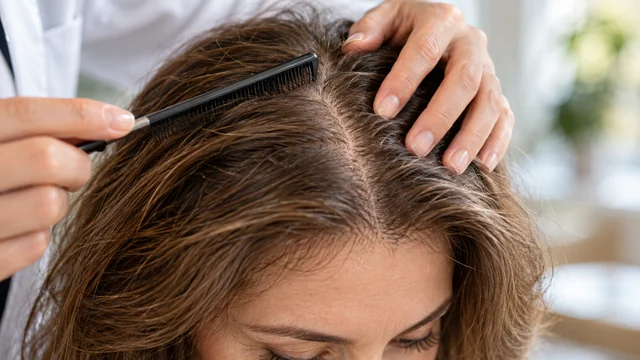
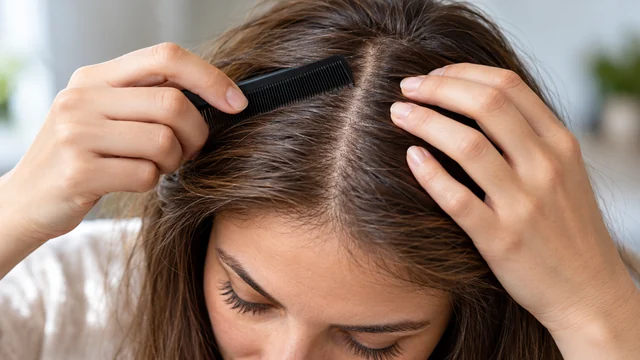
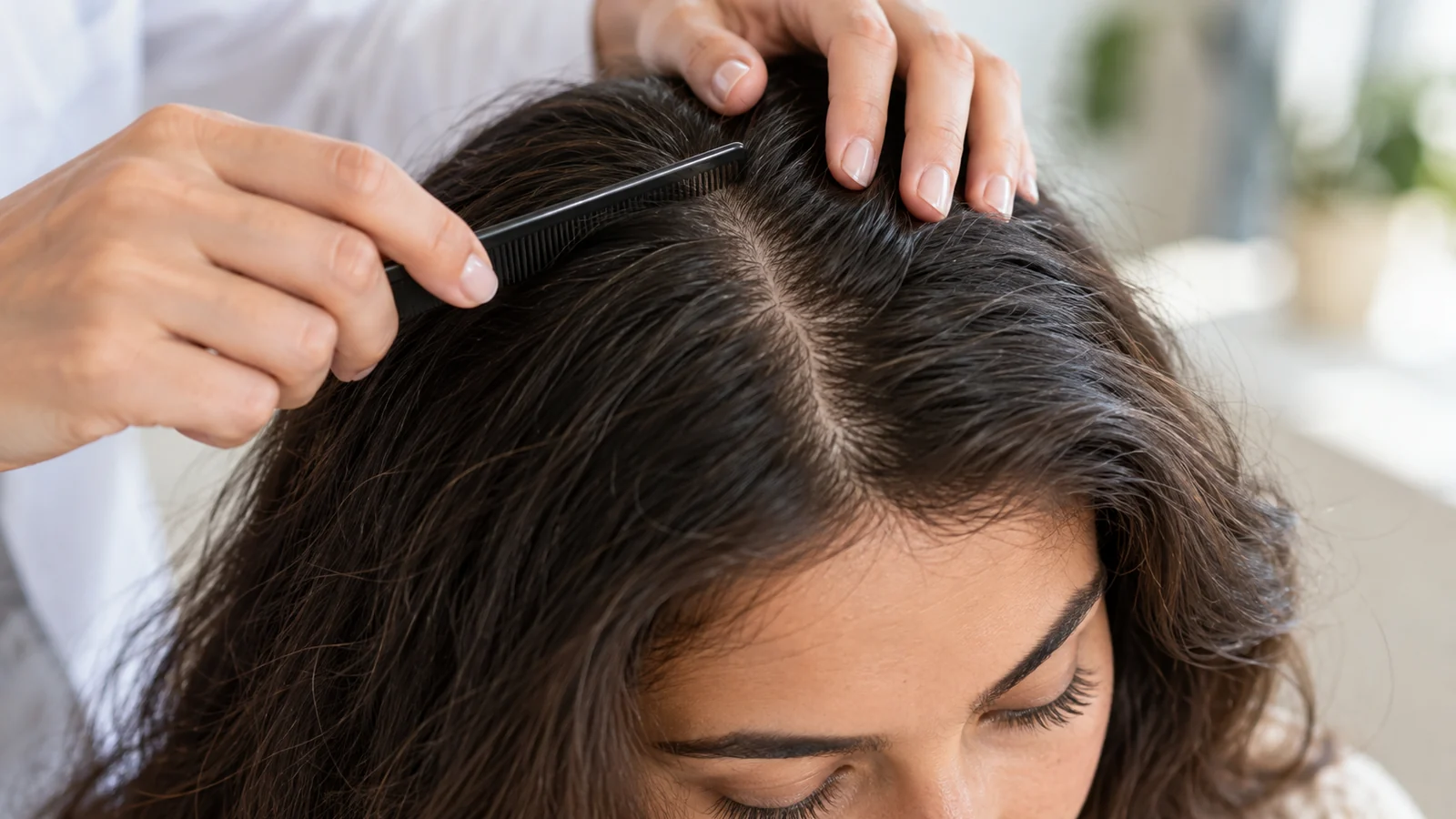
Female-pattern hair loss, also called androgenetic alopecia, commonly causes a gradually widening part and thinning mainly around the centre of the scalp. Other causes include iron deficiency, thyroid disorders, temporary telogen shedding after illness or childbirth, alopecia areata, and inflammatory or scarring conditions. Similar-looking patterns require different management. A dermatologist therefore reviews the history, examines the scalp and hair and may use trichoscopy (magnified examination), blood tests or a biopsy. Choosing surgery for sudden shedding or an inflamed, itchy scalp can delay treatment of an underlying disease.
| Situation | First priority | Place of transplantation |
|---|---|---|
| A stable sparse patch with a healthy donor supply at the back | Agree with the clinician on achievable coverage and density | May be considered after confirming the diagnosis |
| The part is widening and the donor area is also thinning | Identify the hair-loss pattern and assess whether the donor area is suitable | Often limited or unsuitable |
| Sudden widespread shedding after illness, childbirth or weight loss | Find the cause and monitor recovery when appropriate | Usually not the first step |
| Itching, redness, pain or smooth shiny skin without visible follicle openings | Ask a dermatologist to investigate inflammatory or scarring alopecia | Do not plan surgery before diagnosis and assessment of disease activity |
| A naturally high hairline you wish to lower | Plan for the long term, including possible future hair loss | May be an aesthetic option, but needs particularly careful design |
What results are realistic, and what can no good surgeon promise?
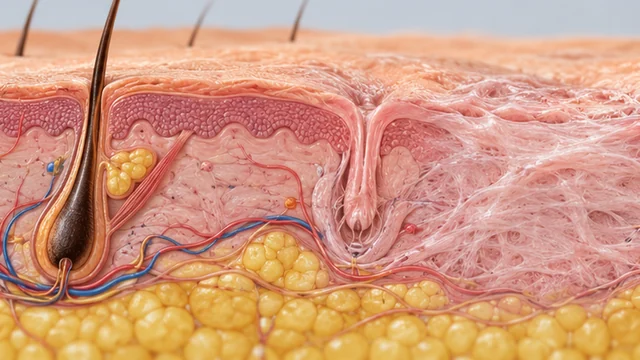
A follicular unit is a small, naturally occurring group of hairs. The surgeon places these units considering growth direction, hair thickness and curl, contrast with the scalp and age. A hairline should look appropriate not only immediately after surgery but years later. A very low or unnaturally straight line may look out of proportion if thinning continues behind it. Apparent density depends on surface area, hair quality and lighting, not simply on the number of grafts.
A promise to restore the original density across the entire head ignores limited donor resources. A graft taken from the back does not remain there; the supply is finite. Even successful grafts sit alongside untreated hairs that may keep thinning. Long-term planning may include evidence-based medicine prescribed by a dermatologist for the diagnosed condition. Some treatments have contraindications and restrictions around pregnancy planning. Do not start them yourself on advice from a cosmetic salon.
Natural results depend on hairline design, direction, placement and the surgeon's experience with your hair type. Strongly curly or coiled hair can be harder to extract because the follicles curve beneath the skin. Ask to see comparable cases photographed from several angles, with matching light and sufficiently long follow-up, without concealing fibres or styling tricks. These photographs do not replace examination of your own donor supply.
FUE, FUT and “DHI”: how does the surgery differ from the advertising?
In FUE, follicular units are removed individually using small circular instruments. In FUT, the strip method, a narrow strip of hair-bearing skin is removed and divided into grafts, leaving a linear scar. FUE also leaves many small scars: describing either method as “scar-free” is inaccurate. Both are surgery. The marketing term DHI usually refers to implantation using a particular type of tool; the name alone does not demonstrate superior results over another carefully performed technique.
| Method | What happens at the donor site | Useful question to ask |
|---|---|---|
| FUE | Many small extractions and tiny scars; some hair may need shaving | Will the back become visibly depleted, particularly with a short haircut? |
| FUT | A strip of skin is removed and the wound is closed, leaving a linear scar | How will the scar fit my hairstyle, skin and future plans? |
| Implantation techniques advertised as DHI | Ask separately how grafts are obtained; the name of the implantation pen does not tell you | Which harvesting method is used, who performs surgical steps and why was it chosen? |
A promised graft number before an in-person assessment is a poor basis for a contract. Ask for an estimated range and which areas would take priority if the supply is limited. High-throughput operations may compromise care of the donor area. What matters is clinical competence, sterile practice, graft handling and thoughtful design—not the brand of tool or the speed of the procedure.
What happens on the day, and will it hurt?
Hair transplants are commonly performed under local anaesthesia; sedation is sometimes added according to medical needs and the facility's plan. Injecting local anaesthetic may sting. Pressure, tightness, instrument sounds and spending hours in one position can also be tiring. You should not endure severe pain in silence. Ask who manages pain relief, how comfort is assessed, which illnesses and medicines raise risk and what will happen if an unexpected reaction occurs.
Following marking, the surgeon identifies donor and recipient zones, removes follicles using the chosen technique, prepares recipient sites and distributes the grafts. The duration varies with surgical scope and team; one fixed timetable is not credible. Ask who personally carries out diagnosis, anaesthesia, graft extraction and recipient-site creation. The International Society of Hair Restoration Surgery (ISHRS) warns about risks when substantial surgical steps are delegated to unlicensed personnel. The title “technician” alone neither establishes nor excludes legal authority: check local rules and the named physician's responsibility.
What will colleagues see in the first two weeks, and when will new hair grow?
The scalp may be tender and swollen, with small scabs and redness. If donor hair is shaved, the haircut itself may be noticeable. Being medically discharged is not the same as being socially inconspicuous. NHS guidance says some patients may need one to two weeks away from work and advises extra care with grafts for the first two weeks. This is a guide, not a guaranteed return date: healing, the procedure's size, hairstyle and job all affect visibility.
| When | What to discuss with your team | Don't confuse this with |
|---|---|---|
| First days | Swelling, scabs, delicate cleaning and protection of grafts from friction | Being comfortable at home does not mean looking unchanged |
| About weeks 1–2 | Healing marks and individualized restrictions on washing, headwear and activity | Never remove scabs forcefully to prepare for a meeting |
| After several weeks | Many transplanted hair shafts shed temporarily | Shedding shafts does not always mean loss of transplanted follicles |
| From around month 4 | New growth starts to appear for some patients | It is still too early to judge final density |
| Around months 10–18 | The developed result is often assessed | Non-transplanted hair may continue thinning |
The treating team should tell you when to wash, change sleeping position, wear a helmet, exercise or colour your hair. Home “healing boosters”, rubbing scabs, aggressive styling and changing medicines without advice can cause harm. If you are regularly on camera or have a major event coming up, discuss both the haircut and the temporary shedding phase. Delaying surgery may be more sensible.
Which complications and warning signs should not be dismissed as “adjustment”?
Possible complications include bleeding, infection, a reaction to anaesthesia, persistent redness, folliculitis, scarring, loss of grafts, an unnatural hairline and inadequate density. Excessive harvesting can leave a visibly depleted donor area that is difficult to correct. Temporary shedding of surrounding hair after surgical trauma may also occur. In someone with active inflammatory scalp disease, surgery may fail or worsen matters if the diagnosis was missed.
Worsening rather than gradually improving pain, fever, spreading redness, pus, significant bleeding or other unusual symptoms require immediate contact with the surgical team and emergency care if severely ill. A photograph sent in a chat should not be the only assessment when your condition is clearly deteriorating.
Before surgery, take sudden patchy shedding, round bald patches, painful scaling, sores, shiny skin lacking visible follicle openings or signs of a wider illness seriously. These signs do not establish a diagnosis, but they are reasons for dermatology assessment and sometimes biopsy—not a sales consultation centred on graft numbers.
Hair transplantation in Yerevan: how can I assess a team beyond its branding?
Mentioning a city does not confirm that a provider is licensed, employs a suitably qualified surgeon or includes all care in its advertised price. Check up-to-date Armenian licensing, professional scope, staff roles and aftercare with the relevant local authorities and the facility. An overseas certificate, association membership or polished website can add context but does not replace authorization to practise and responsibility for medical decisions in Armenia.
- Who diagnoses my hair loss, and is there a dermatologist's assessment before surgery is offered?
- How is it established that my donor area will remain sufficiently dense after harvesting?
- Who personally carries out the critical surgical stages, and what current qualifications and permissions do they hold?
- Where and by whom is anaesthesia provided, and how are complications handled?
- What is included in the quote—tests, drugs, washing, follow-ups and possible revision—and what costs extra?
- How will I be examined if I return home or a problem arises at the weekend?
- Are comparable real cases available with long enough follow-up and honest discussion of limitations?
Warning signs include a fixed graft count promised from a messaging-app photo, guarantees of “100% survival”, no interest in the cause of loss, refusal to identify the surgeon or unwillingness to discuss poor outcomes. Do not select surgery because a discount “expires tonight”. If travelling from another city or country, budget for more than transport and accommodation: you also need access to medical follow-up after returning home.
What can I choose before or instead of transplantation?
For diagnosed female-pattern hair loss a dermatologist may recommend minoxidil and, for suitable patients, other measures after discussing contraindications and limitations. Iron deficiency, thyroid disease and inflammation need treatment directed at the cause. With postpartum or post-illness telogen shedding, time and monitoring may matter more than surgery. Starting hormonal drugs without assessment, or trying everything at once, does not provide a better diagnosis.
Non-medical ways to make thin areas less noticeable include moving the part, gentle styling, a wig or hair topper, concealing fibres and sometimes scalp micropigmentation, which changes appearance but does not grow hair. They may be long-term choices or useful while deciding. The related article about hair-and-scalp assessment explains diagnostic routes; this page answers whether transplant surgery itself is justified (the hair and scalp guide).
A decision that will still make sense later
A suitable candidate needs more than a hairline drawn on a photograph: she needs a diagnosis, evidence of adequate donor supply, realistic density planning, a strategy to preserve remaining hair and a team accountable for complications. You should remain free to take your time, seek a second opinion, continue nonsurgical care or do nothing. With unstable hair loss, waiting can be better than rushing into surgery even with an experienced technical team.
Frequently asked questions
Can grafting be done without shaving the whole head?
Sometimes partial-shave or alternative preparation is possible; it depends on the technique, number of grafts and hair length. Agree beforehand on exactly which area will be cut and how this will look with your usual style.
Could my transplanted hair have a different colour or texture?
These are your own follicles, but their appearance depends on initial hair thickness and curl, implantation angle and subsequent growth. Good design and direction help them blend with neighbouring hairs.
Will transplantation affect a later operation on my scalp?
Scars, use of donor follicles and the changed hairline may affect future procedures. Tell the surgeon about any planned head or scalp surgery before agreeing to the design.
Sources and medical background
- NHS: Hair transplant—techniques, recovery and risks.
- American Academy of Dermatology: female-pattern hair loss and treatment.
- American Academy of Dermatology: diagnosing hair loss.
- International Society of Hair Restoration Surgery: consumer advocacy.
- ISHRS: surgical hair transplantation, FUT and FUE.