
How to Treat Post-Acne Scars: Scar Type and Methods
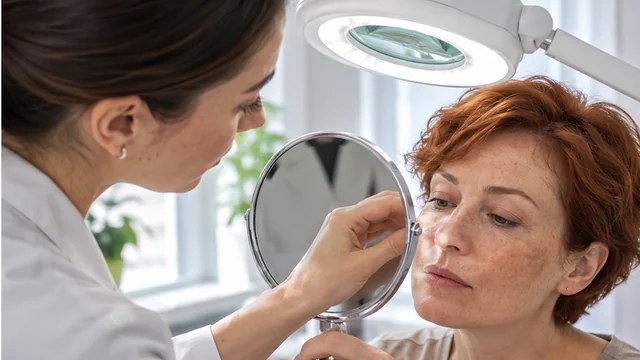
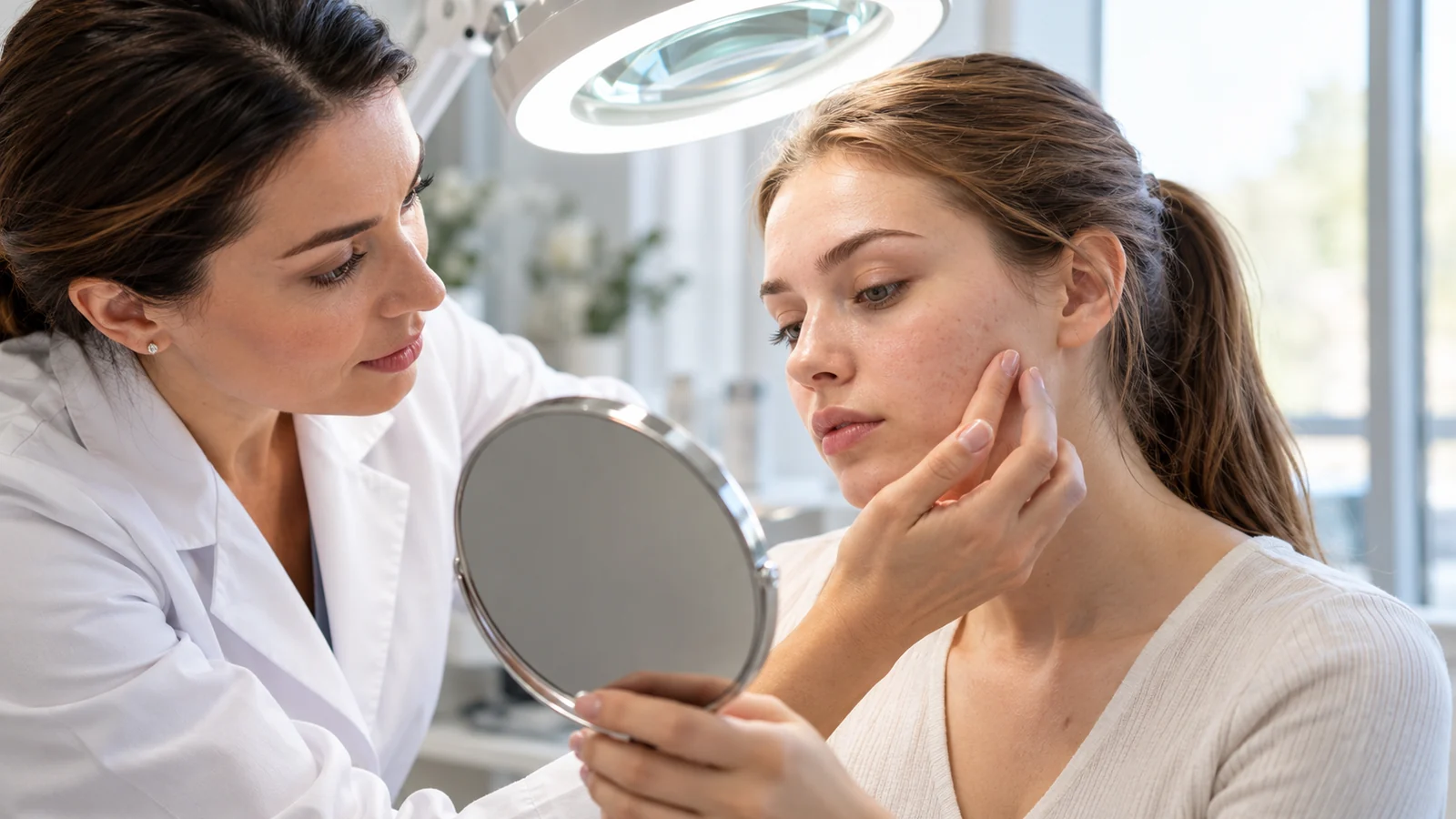
In ordinary light your skin may look smooth; beside a window, side lighting brings out pits left by past breakouts. You may wonder whether acne scars can be reduced without hiding your face through a long recovery. True scars can often be made less noticeable, but returning skin completely to its pre-acne appearance is not always possible. The best approach depends not on the “strongest laser” but on the shape and depth of the scars: narrow deep pits, broad sharply edged depressions, rolling indentations and raised scars call for different decisions. A combination of methods and healing time may be necessary.
First: is it a scar, a red mark or pigmentation?
If a pimple leaves only a flat red, pink, brown or purple mark, it is often a trace of inflammation rather than a loss-of-tissue scar. Post-inflammatory erythema (redness) and pigmentation may gradually fade; skincare, sun protection and, sometimes, clinician-directed treatment can help. A depression or raised area, especially visible in side lighting, is more likely to represent structural scarring. A cream for dark spots cannot lift a deep pit; the treatment goal is different.
Have your skin examined by a dermatologist while acne is still active. New inflammatory lesions can create new scars, so controlling acne comes first. Do not squeeze painful spots or try to open a formed scar at home. A clinician can also distinguish depressed scars from enlarged pores, which tend to appear more uniform. This article is about structural scars from acne, not every kind of uneven facial texture.
The scar type determines the method, not the other way round
| What the mark looks like | What has changed in the tissue | What to discuss at the consultation |
|---|---|---|
| Narrow, deep ice-pick depression | A deep channel with a small opening | Targeted treatment for selected scars: TCA CROSS or surgical removal when appropriate; superficial resurfacing alone may not be enough |
| Round or rectangular depression with defined edges—boxcar | Localised tissue loss of varying depth | Laser resurfacing, microneedling or targeted correction of deeper lesions, depending on depth and skin tone |
| Broad, gently undulating depression—rolling | Sometimes fibrous bands pull the scar downward | Subcision releases the tether underneath; further surface treatment may follow if needed |
| Firm raised scar | Excess production of scar tissue | A separate plan, potentially including injections chosen by a clinician; resurfacing as for pits is not universally suitable |
| Flat coloured mark without altered surface contour | Residual redness or pigmentation after inflammation | Sun protection, monitoring and colour-directed treatment if needed, rather than invasive treatment of depth |
People often have several types at once. A useful consultation therefore includes an examination in different lighting and a conversation about which scars trouble you most. No one can reliably predict session counts or improvement from a device name or someone else's photograph: depth, size, position, skin healing and susceptibility to pigment changes matter.
What do these procedures actually do?
Subcision—when fibrous bands tether the skin
In subcision a clinician uses a specialised instrument to release fibrous attachments that pull skin inward. It makes most sense for certain rolling scars, not every small dot on the nose. It is invasive; bruising, swelling, soreness, lumps and other complications can occur. Before subcision, tell your clinician about any clotting disorder or blood-thinning medicine: these can increase bleeding and bruising risks. Ask what indicates that tethering is present and what a less invasive first option might offer.
Laser resurfacing and microneedling—changing the surface contour
Fractional laser techniques produce controlled skin injury to stimulate remodelling. Microneedling, using a medical device to make tiny skin punctures, also aims to promote collagen remodelling. Both may improve some depressed scars, but neither guarantees smooth skin, and their recovery burdens differ. Lasers may cause extended visible redness and require stricter aftercare; microneedling is not a harmless “home massage” either. Before treatment, ask whether a new sterile needle cartridge is used and how reusable device parts are disinfected.
It is particularly important to discuss radiofrequency microneedling separately: needles plus RF energy are not the same as standard microneedling. In October 2025 the US FDA reported serious complications associated with certain aesthetic uses of RF microneedling, including burns, scarring, loss of fatty tissue and nerve injury. This is a US regulatory safety communication about reports involving certain uses of a procedure class; it does not mean every model or treatment inevitably causes these injuries. Ask for the exact device model, the reason for using it and an explanation of risk rather than accepting “the machine is safe”.
Targeted treatment of deep scars
For narrow, deep scars, a clinician may consider TCA CROSS—careful application of concentrated trichloroacetic acid within an individual scar—or surgical excision followed by careful wound closure. This is not an at-home acid peel: incorrect use can widen a scar or cause burns and pigment changes. When scars are very deep, the initial step is often to correct an individual structural defect, followed by treatment of the surrounding surface. Methods may be combined after an in-person examination.
Fillers are sometimes used for selected depressed areas, but benefits and risks depend on the material, anatomy and technique. They are not a universal answer for all depressed scars. If someone promises to erase every form of acne scarring with one injection or the “newest device” without assessment, ask why that method is suited to your particular scars.
What if you want a natural result that doesn't look overtreated?
If there are only a few deep pits, targeted correction may make more sense than aggressive treatment of the entire face. Numerous shallow depressions may justify gradual texture work instead. Combining procedures can sometimes improve outcomes, but adds steps, expense, discomfort and risk. “Stronger” is not automatically better for every scar. You may favour a modest improvement with less socially obvious recovery—or decide to postpone treatment altogether.
Tell your clinician if you develop dark marks after injuries, have melasma, have tanned recently or have previously formed keloid scars. With darker skin tones, method and settings need particular care because persistent dark or pale marks can follow procedures. Active infection, inflamed rash, recurrent herpes, certain conditions and medicines may require postponement or a different approach. The FDA also lists health and medication factors that can make specific microneedling devices unsuitable. Discuss pregnancy and breastfeeding separately; for non-medically necessary procedures, deferring a course during those periods is generally prudent.
What will you see in the mirror during recovery?
Possible effects include redness, heat or tightness, swelling, dryness, pinpoint crusting, bruises and temporary darkening of the skin. Subcision is more likely to cause local bruising; resurfacing may provoke a broader surface reaction. The degree and duration vary: visible healing can outlast the time you technically need off work. Ask separately when makeup, vigorous exercise, sauna visits and sun exposure can resume. Rules depend on the method; there is no single safe timetable for all procedures.
If a wedding, presentation or holiday is approaching, do not agree to your first aggressive procedure just beforehand because you were promised “minimal downtime”. Even after the skin surface has healed, lingering pinkness or pigment changes may remain noticeable in daylight and photographs. The final result is not immediate either: remodelling takes time. Compare your skin in similar lighting after it has healed, not in the first days while it is swollen.
For standard medical microneedling, a useful—but conditional—guide is that redness or darkening of the treated skin, a sunburn-like feeling and mild swelling often settle within a few days, occasionally taking up to a week. The American Academy of Dermatology advises waiting at least 24 hours before applying makeup after this kind of microneedling; your clinician may require longer. Do not carry these timings over to subcision, TCA CROSS, laser resurfacing or RF microneedling: the injury and aftercare differ. Being able to work “straight away” is not the same as looking unchanged to other people.
How do you tell expected healing from a complication?
Some redness, soreness and peeling can be normal if they match the recovery your clinician described. But increasing severe pain, spreading redness, pus, fever, unusual blisters or darkening of tissue warrant prompt contact with your treating clinician; marked deterioration calls for emergency medical care. Do not apply random acids, alcohol or homemade mixtures to injured skin. If new persistent pigment patches or worsening scarring develop, inform your clinician rather than trying to conceal the problem with another session.
What should you ask before consenting, and how can you assess photos?
- Which types of scar do I have, and which of them can the proposed method genuinely improve? Can you show them separately in side lighting?
- Must active acne be stabilised first, and are medicines, tanning or healing characteristics reasons to defer treatment?
- Why one method or a combination? What alternatives exist, including having no procedure?
- How will pain be controlled, what sensations should I expect, what will be noticeable at work or in photos, and when can I wear makeup?
- What particular risks of pigment changes, infection, new scars or incomplete improvement apply to my skin tone and the device you plan to use?
- What does the overall cost include: consultation, anaesthesia, aftercare, further steps if required and help with complications?
Before-and-after pictures are useful only if lighting, angle, expression and timing after treatment are comparable. Side light accentuates texture; frontal light and filters conceal it. Swelling after an injection can temporarily make depressions look better. Ask for examples with similar scars and skin tones that identify the method and follow-up time; do not judge by one impressive photograph. If the clinician will not calmly discuss the limits of improvement, potentially irreversible changes and a complication plan, you have every reason to pause.
The point of correcting acne scars is not to promise completely new skin. It is to decide which particular depressions can realistically be lessened, with what recovery burden and risk. Sometimes careful sun protection, ongoing acne treatment and observation without an aesthetic procedure are a good choice too: they are also ways to care for your skin.
Frequently asked questions
Can scars be treated if I still get a pimple now and then?
Sometimes, but the activity and severity of acne need assessment. If inflammation continues, controlling it may take priority so new marks do not keep forming. The order of treatment is individual.
Can ordinary acid serums at home remove a deep pit?
They may affect superficial texture or colour, but cannot release fibrous tethers or restore the missing volume of a deep scar. Applying strong acids yourself can make things worse.
Sources
- American Academy of Dermatology: Acne scars — consultation and treatment
- American Academy of Dermatology: Acne scars — signs and types
- DermNet: Acne scarring
- US FDA: Microneedling devices — benefits and risks
- US FDA: RF microneedling safety communication, October 2025
- American Academy of Dermatology: Microneedling for scars — downtime and aftercare