
BBL HEROic Downtime: How Skin May Look Afterward
If you need to be at work tomorrow and at an event in a few days, “BBL HEROic with no downtime” sounds attractive. After an uncomplicated session, many people can return to ordinary activities quickly, but their skin may not look completely normal. Warmth, pinkness, puffiness and temporarily darker pigmented spots may be visible. Medical recovery and social downtime are different: one concerns healing, the other whether you feel comfortable at a meeting or in a close-up photo without makeup.
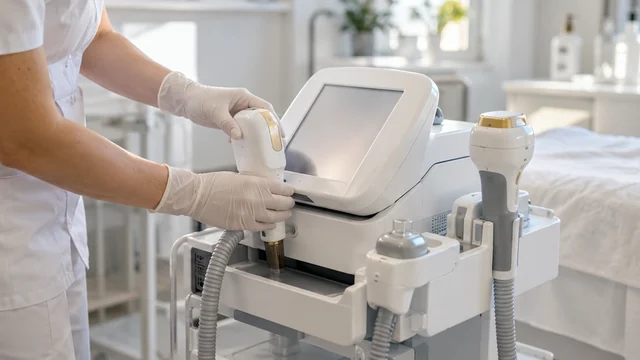
BBL HEROic is Sciton's broadband pulsed-light system, part of the IPL category. Unlike an ablative laser, it does not remove a continuous outer layer of skin, so the usual recovery burden can be lighter. Yet light still heats tissue, and responses differ by treatment target, skin phototype, settings and body area. Being able to leave the clinic does not mean burns are impossible or that every mark will disappear within a day.
What might your skin look like? A guide, not a guaranteed calendar
The stages below are not a personal schedule or a guarantee of looking normal on any particular date. They combine Sciton's description of BBL HEROic reactions with general clinical information about IPL. If BBL was combined with MOXI, HALO, a peel or another procedure, do not automatically apply this timetable: combined treatments require their own aftercare plan.
| Approximate stage | Appearance and sensations | What this means in practice |
|---|---|---|
| Immediately and during the first hours | Warmth, pinkness, tenderness and mild swelling are possible; sometimes almost nothing is visible | Computer work may be feasible; appearance for close meetings or a photoshoot is unpredictable |
| Approximately days 1–3 | Treated pigment may temporarily look darker; redness or puffiness may persist in some people | Do not label the outcome a failure because of one morning's mirror check; follow your clinician's instructions |
| Approximately days 4–7 | Pigment may flake away, tone may look uneven and sensitivity may slowly settle | Do not pick flakes or accelerate the process with acids or scrubs |
| Over the following weeks | Skin tone may become more even, but residual reactions and differing rates of lightening are possible | Compare with baseline pictures later, after healing, on an agreed review date |
Sciton describes a broadly similar sequence, but research examined by October 2026 does not establish fixed mandatory days for every person. If the target was vascular redness rather than brown pigment, there may be no dark specks at all. The chest or hands may react differently from the face. In darker phototypes, inflammation sometimes triggers new hyperpigmentation, which must not be automatically dismissed as normal temporary darkening.
How the appearance differs for spots, vessels and mixed treatment
Pigmented areas. Some suitable benign sun spots can look darker after treatment and develop small dry patches, temporarily resembling stronger freckles. Avoid scrubbing or peeling them off: picking increases the chance of damage and unwanted pigmentation. Painful blisters, increasing weeping or severe pain are not “normal shedding.”
Visible vessels and widespread redness. Temporary reactive redness may add to the original redness, making it seem that nothing improved. Mild swelling may stand out in thin-skinned areas. Ask the practitioner what response is acceptable for your specific plan rather than comparing yourself to someone treated only for freckles.
Several targets or a large treatment area. Body sites differ in sensitivity and healing speed. If the face, neckline and hands were treated together, it is impossible to guarantee they will all look alike by the weekend. Never apply the recovery claims of standalone BBL to combination “rejuvenation” that includes laser resurfacing.
Can you work, wear makeup and exercise?
Uncomplicated IPL often does not require time off desk work; both DermNet and Sciton describe a prompt return to normal activities. But work might involve heat, sun on your commute, a high-resolution camera or wearing makeup all day. Discuss those demands before treatment. For presentations, close-up filming, weddings and sunny holidays, choose a date with flexibility rather than relying on “no downtime.”
There is no one-size-fits-all number of hours before makeup. If the skin is intact, without blisters, weeping or pronounced irritation, a clinician may allow cosmetics after checking it or according to written instructions. Do not cover painful, damaged or peeling skin with heavy products against medical advice. Ask in advance whether your own makeup is suitable and how to remove it gently.
Intense exercise, sauna heat, hot baths and friction may worsen the discomfort of irritated skin. Ask when you can resume them based on the actual response and treatment settings. A blanket “tomorrow is fine” is no more appropriate than banning everything for weeks without reason. If you plan a pool, the sea or active outdoor time, discuss water exposure, sunlight and physical irritation separately.
Aftercare that avoids making recovery harder
The priority is to protect tender skin from unnecessary heat and ultraviolet exposure. After treatment, gentle cleansing, simple moisturising and sun protection are commonly recommended, with precise products chosen for your skin and your clinician's advice. Direct sun and recent tanning increase concern about an unwanted pigment response; photoprotection matters before the session as well as afterwards.
Sciton’s published general BBL aftercare sheet (not personalised instructions specifically for HEROic) recommends broad-spectrum UVA/UVB sunscreen with SPF 30 or higher and avoiding direct sun for 14 days after treatment. Treat this as a point to discuss, not a guaranteed safe interval for everyone: ask your clinician what applies to your area and settings, especially before a beach trip or holiday.
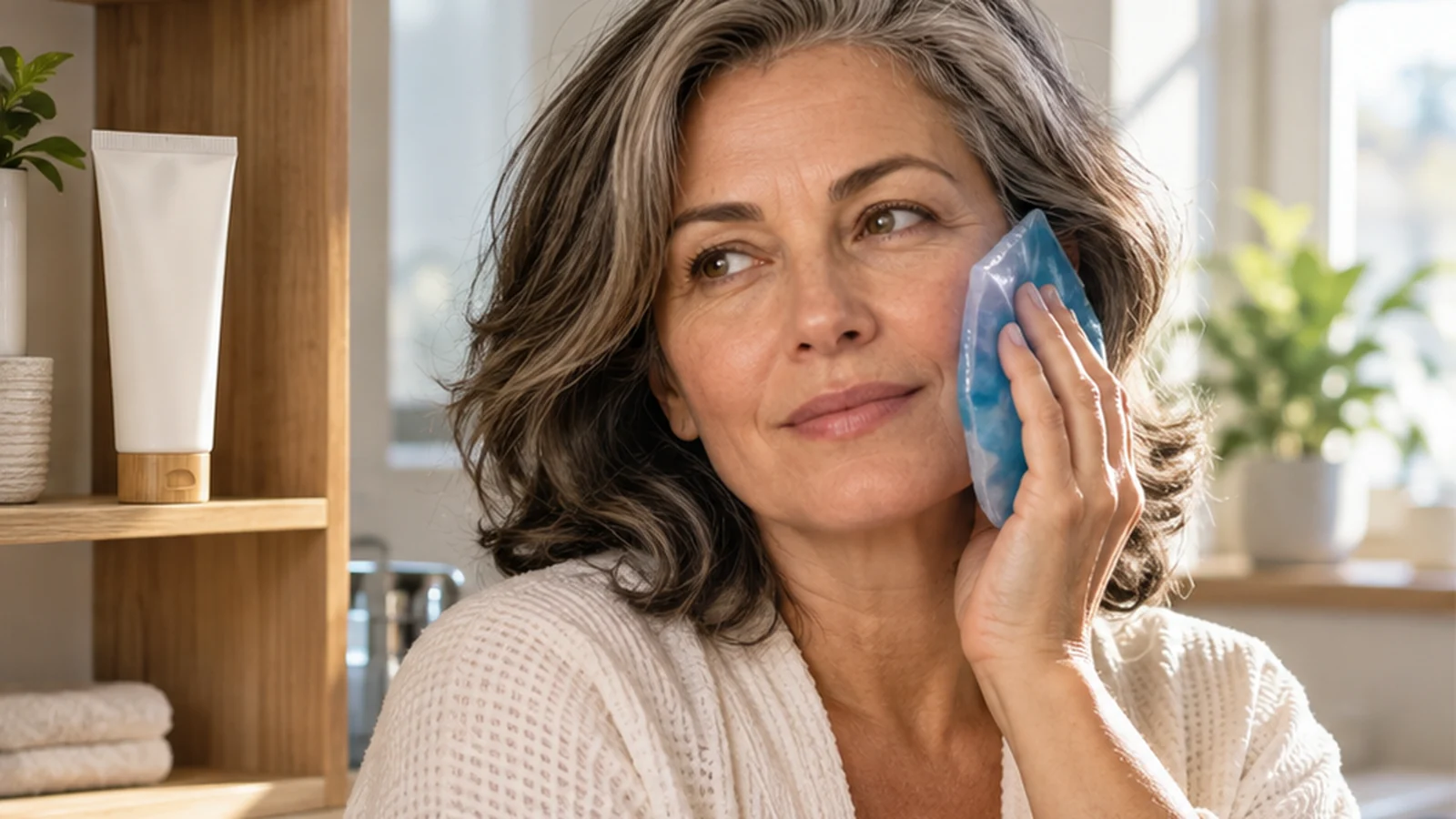
Temporarily avoid abrasive scrubs, home peels and harsh active products on an irritated area until the clinician says to restart them. Do not try to wash off darkened spots. If the skin feels hot, ask about a clean cool compress, but do not put ice directly on the skin or experiment with potent new creams. Separate essential care from optional steps; a simpler routine may be kinder while the skin is sensitive.
Obtain written personalised instructions and a contact for unexpected reactions. Ask what is expected with the filters and energy used, when to send skin photos, when to return and what to avoid beforehand. If all you receive is a generic promotional handout, request a specific care plan. Never stop prescribed medicines, including potentially photosensitising drugs, on your own; review them with the relevant doctors beforehand.
Which reactions are expected, and which need medical help?
Mild heat, pinkness, short-lived sensitivity, limited puffiness and darkening of treated pigment may be expected. Severe or increasing pain, blisters, sharply pale or dark damaged-looking skin, rapidly growing swelling, pus, fever or visual disturbance need prompt medical assessment. Any change in vision after a light procedure requires urgent care, not waiting until tomorrow. Do not leave a complication photograph in a messaging app without a clear route to medical help.
IPL can cause burns and post-inflammatory changes in pigmentation, sometimes prolonged darkening or lightening and, rarely, scars. A tendency to pigment after inflammation, a recent tan and unsuitable settings alter risk. Mention previous skin reactions and the possibility of a longer recovery. HEROic's cooling does not eliminate these risks.
Ask about eye protection before the light treatment: appropriate protective glasses or shields are needed for the planned protocol. Medical reports describe rare but serious eye injuries from IPL, especially near the eyelids when protection is inadequate. These are reports concerning IPL generally, not a measured complication rate for HEROic; clarify the protection plan before any treatment near the eyes.
Who should consider postponing before planning a holiday?
If you have a recent tan or sunburn, take medicines that increase light sensitivity, or have active infection or irritation in the target area, reconsider the date with the clinician. Elective cosmetic IPL is reasonably deferred during pregnancy and breastfeeding; check the applicable restrictions in the instructions for the exact device. Melasma and darker phototypes call for particular care because pigmentation may worsen. A new or changing pigmented lesion needs dermatologist assessment before any attempt to lighten it.
When an important event is approaching, a gentler choice is to wait, maintain sun protection and an agreed skin-care routine, and revisit device treatments after the trip or photo session. That is not “lost time”: it avoids making recovery another source of stress. A clinician who respects your choice will help plan without pushing a treatment date.
Four questions to ask before consenting
- Are you treating pigment, visible vessels, several problems, and how is each diagnosis established?
- What might my specific phototype and treatment area look like over the first days? Would a test spot be appropriate clinically?
- Is this BBL HEROic alone or a combination with other technologies that changes recovery?
- What written aftercare, complication contact and individual criteria govern return to sun, exercise and cosmetics?
If your main concern is the eventual improvement rather than the calendar, read BBL HEROic before and after: how to judge photos. For device modes, there is a separate technology overview. The practical point here is that no compulsory sick leave does not mean no visible signs. Consider both the possible outcome and the time your skin, job and ordinary life can accommodate.
Further questions
If I have no redness, does that mean the treatment failed?
Not necessarily. A visible reaction is not a stand-alone measure of effectiveness. The clinical target and later reassessment matter more than how pink the skin looks immediately afterwards.
Can self-tanner hide an unwanted reaction?
Avoid it on irritated or broken skin: extra ingredients and rubbing can cause more irritation or obscure changes a clinician needs to assess. Ask the treating professional before resuming such products.
Sources
- Sciton: BBL HEROic expected reactions, aftercare and technology.
- Sciton: typical sequence of changes after BBL HEROic.
- DermNet: IPL recovery and possible complications.
- Systematic review of adverse effects of energy treatments in darker phototypes.
- AAD: pigmented changes that warrant diagnosis.
- Sciton: general BBL sun protection and aftercare sheet (not HEROic-specific)
- Published IPL-related eye injuries and the importance of eye protection